🔥 DON’T MISS THE DHI OFFER
€3,590 → €3,090
⏳ Limited availability — Book your consultation

 en
en 


Call me back
🔥 DON’T MISS THE DHI OFFER
€3,590 → €3,090
⏳ Limited availability — Book your consultation

Understand the complete hair transplant timeline – from procedure day through to final results – with our comprehensive guide to post-transplant regrowth.


Post-transplant regrowth follows a sophisticated biological process that respects the natural hair cycle. This hair transplant timeline remains consistent regardless of the method chosen – nature simply dictates its own pace.
The fundamental principle of a hair transplant involves relocating follicles from the donor area to balding regions. Each follicle retains its genetic signature and individual hair cycle. This cycle comprises three distinct phases: the anagen phase of active growth (2-7 years), the catagen transition phase (2-3 weeks), and the telogen resting and shedding phase (3-4 months).
Transplanted follicles operate asynchronously, which explains the gradual, natural progression of results. Some grafts begin growing immediately, whilst others enter a resting period first, creating progressive hair development that avoids any artificial appearance.
The transplant represents a microcellular trauma that requires follicles to adapt to their new environment. They must establish new vascular connections to ensure proper blood supply – this neovascularisation takes time but guarantees robust, long-lasting growth. Follicular stem cells gradually reactivate to resume hair production, ensuring the permanent anchoring of the new hair.

A precise chronology of post-transplant hair transformation

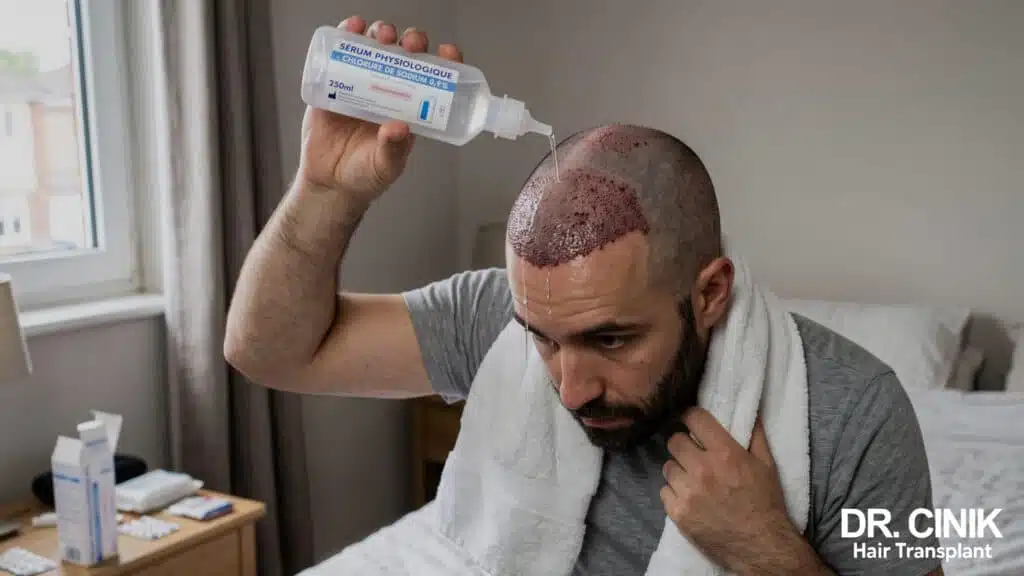
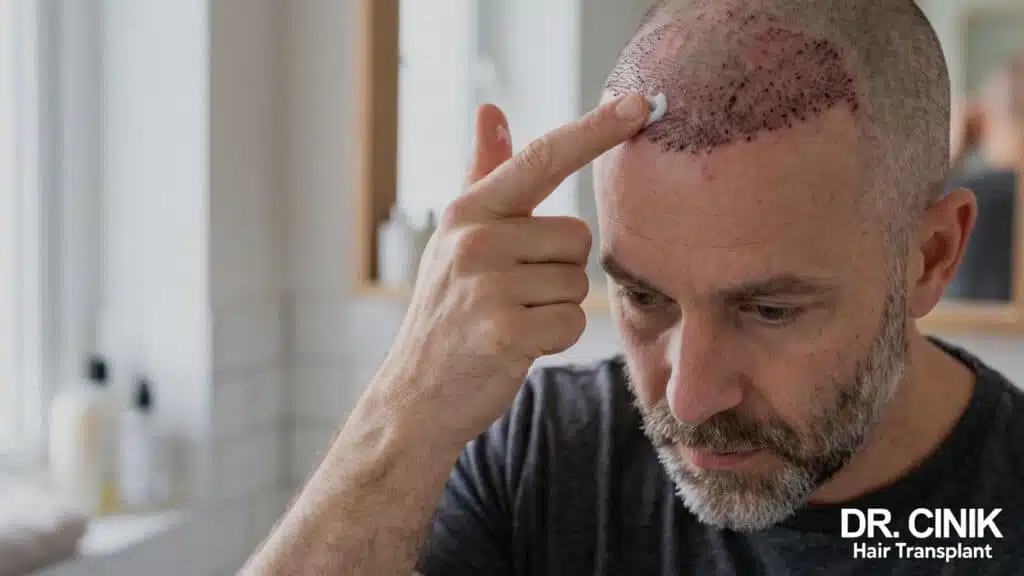
The first wash, conducted 24-48 hours after the procedure under medical supervision, requires a carefully controlled technique. Dr Cinik recommends using a specific dermatological shampoo formulated for sensitive scalps, applied with extremely gentle circular movements and minimal pressure. This initial cleansing removes post-operative residues without compromising graft stability, whilst also introducing patients to the daily care routine they’ll need to continue at home.

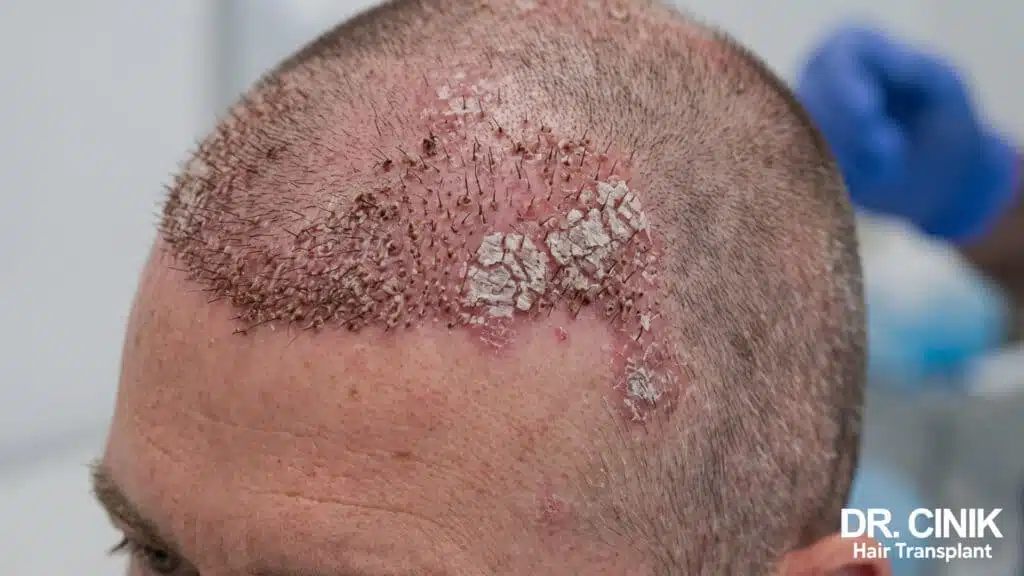
Two normal physiological responses characterise this early phase. Facial oedema results from the natural inflammatory reaction and primarily affects the forehead and eye area, typically reaching peak intensity on days 2-3. Simultaneously, protective scabs begin to form, creating a biological barrier against infection and containing essential healing factors. Some itching may occur, but patients should resist scratching to preserve graft integrity.

Between days 7 and 10, scabs naturally detach, allowing optimal follicle oxygenation, which is vital for future development. Dr Cinik recommends daily washing with our specialised lotion applied for an hour before rinsing, accompanied by very light massage to promote gradual detachment. Complete scab removal before day 10 prevents follicular asphyxia that could compromise growth. The shedding of some hairs along with the scabs is perfectly normal and only affects the superficial hair shafts, not the deeply implanted follicles.

‘Shock Loss’ generally appears around the one-month mark and manifests as temporary shedding primarily affecting native hair adjacent to treated areas. This phenomenon results from transient microvascular stress that temporarily disrupts the hair cycle, forcing follicles prematurely into the telogen phase. This reaction doesn’t affect the final result whatsoever, as the follicles remain perfectly viable though temporarily dormant. Gentle massage effectively stimulates local microcirculation and accelerates the resumption of follicular activity, reducing the duration of this transitional phase.

This period reveals the first tangible signs of transformation with the gradual emergence of fine new hairs that initially resemble ‘baby down’. These new hairs contain less melanin and keratin than mature hair, with a smaller diameter that will gradually increase. Growth occurs at approximately 1 cm per month, and Dr Cinik recommends regular photographic documentation to monitor this development. Hair care should remain gentle during this maturation phase, avoiding harsh chemicals that could compromise optimal development of the new hair fibres.

The six-month milestone marks a remarkable transformation with new hair reaching 5-7 cm in length, now allowing for more varied styling options. The follicles benefit from full vascularisation, promoting a noticeable thickening of hair shafts and providing greater density, diameter and resilience. The keratinisation process gradually improves, strengthening hair structure, whilst natural harmonisation between transplanted and native hair creates a seamless aesthetic transition – the hallmark of a successful transplant.

At nine months, patients typically see 60-70% of the final result with a hair transformation now evident to others. The transplanted hair possesses a structure practically identical to native hair, its biochemical composition has normalised, and sebaceous production has balanced. The mechanical resilience of the hair now permits various styling approaches. Density continues to increase steadily as additional follicles enter the active anagen phase, gradually completing the final clinical picture.

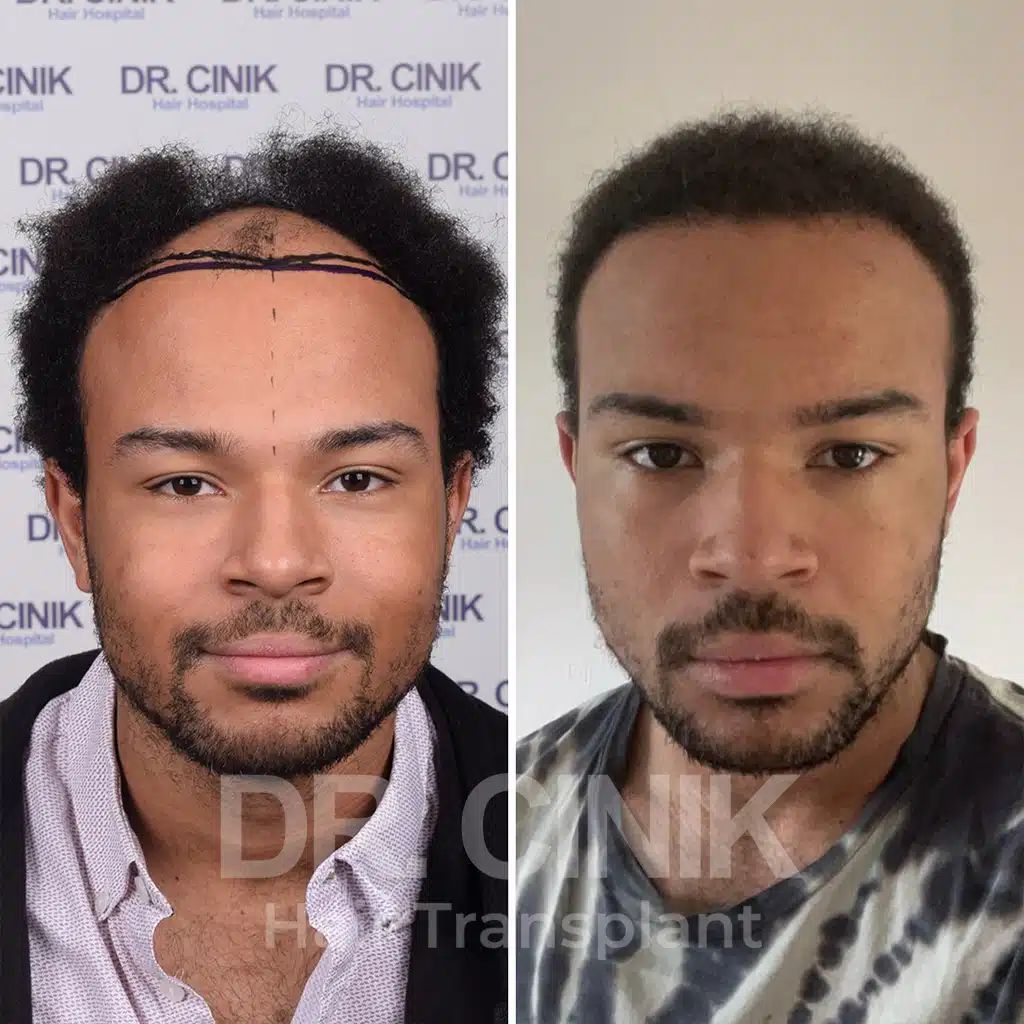
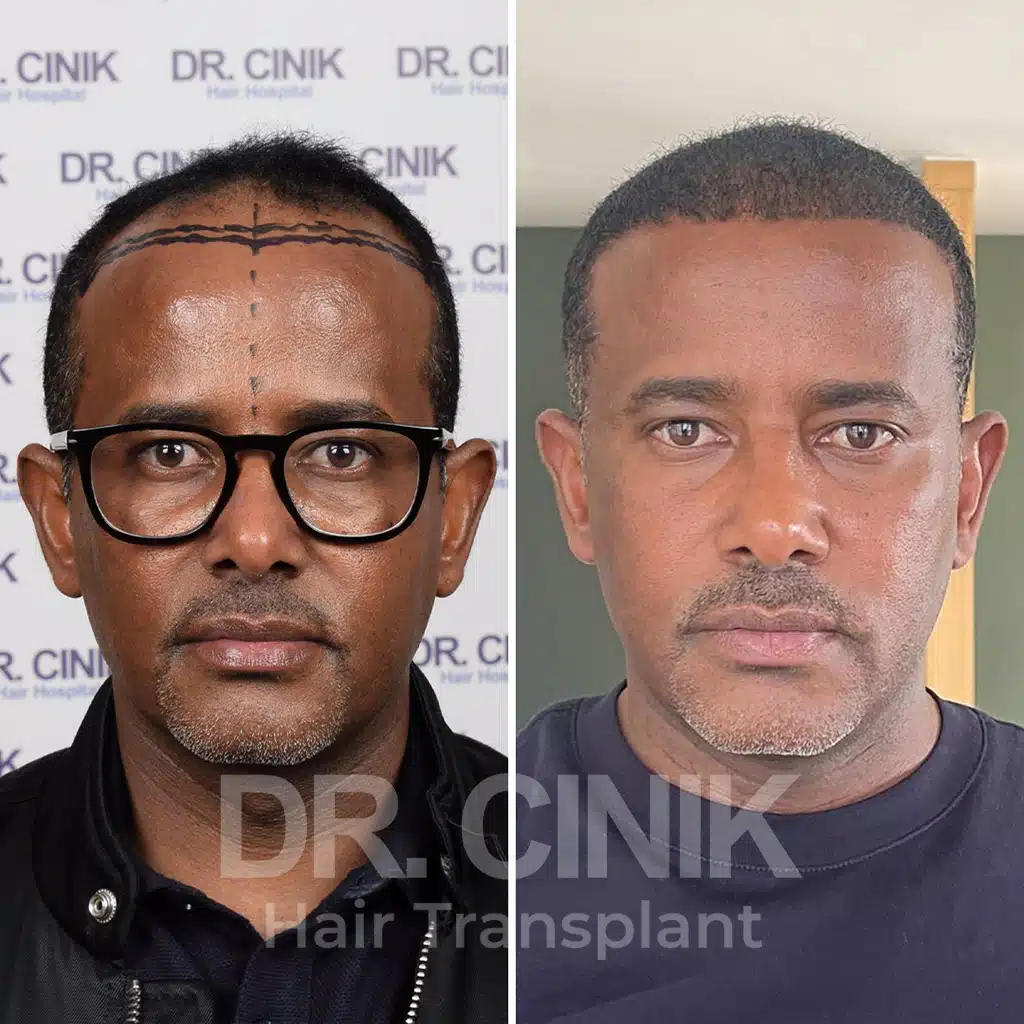
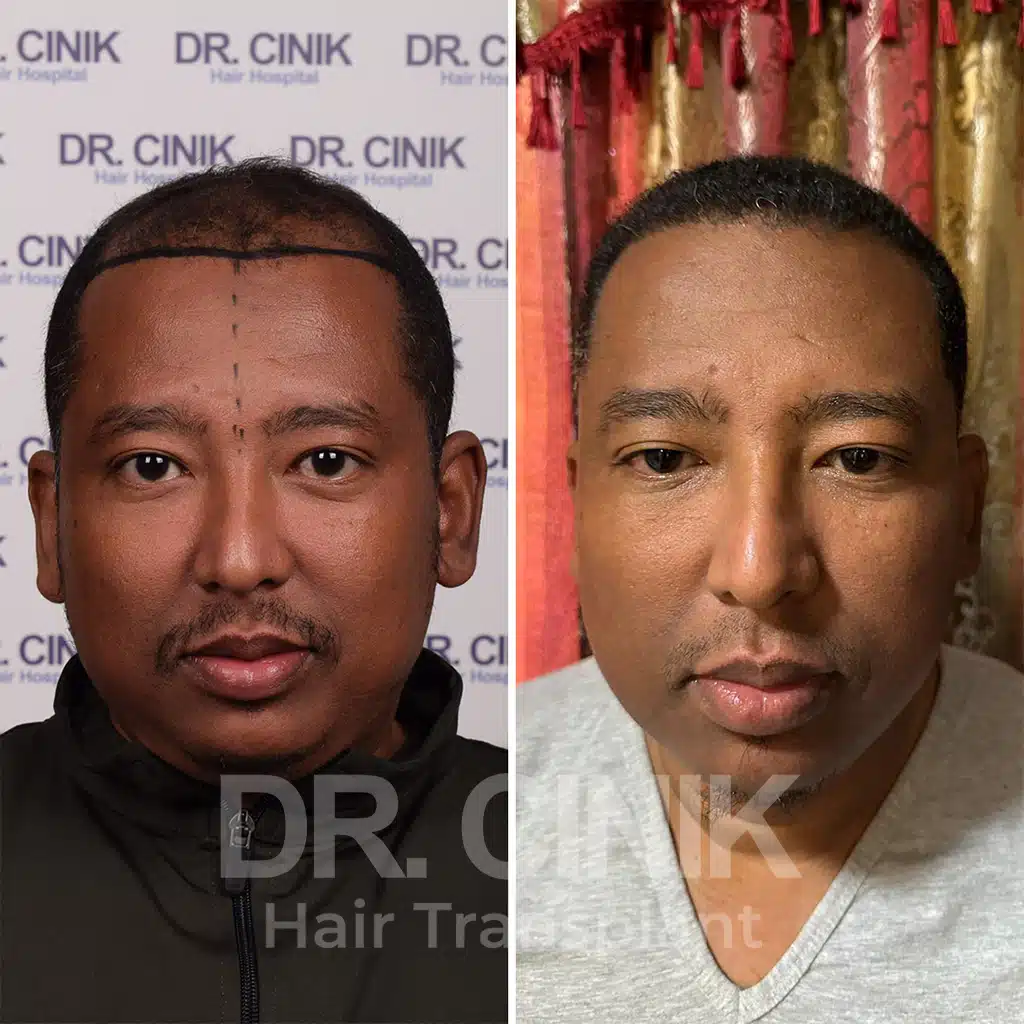
The one-year mark represents the complete culmination of the transformation process, with the expected maximum density achieved. The transplanted hair is now fully mature, with diameter, texture and shine identical to native hair. The natural volume and fullness are fully established, corresponding to the projections discussed during initial consultation. Before-and-after comparison photos reveal the extent of transformation achieved, confirming the success of the aesthetic objectives and complete restoration of the patient’s confidence.

The results obtained are permanent and enduring. Even after a decade, the grafts maintain their innate genetic resistance to DHT, the testosterone-derived hormone responsible for androgenetic alopecia. The transplanted follicles preserve their original genetic programming and continue their normal hair cycle, ensuring long-term hair stability. This lasting effect offers patients a definitive solution to their hair loss with aesthetic and psychological benefits that persist for years to come.
Natural and lasting results validated by our patients


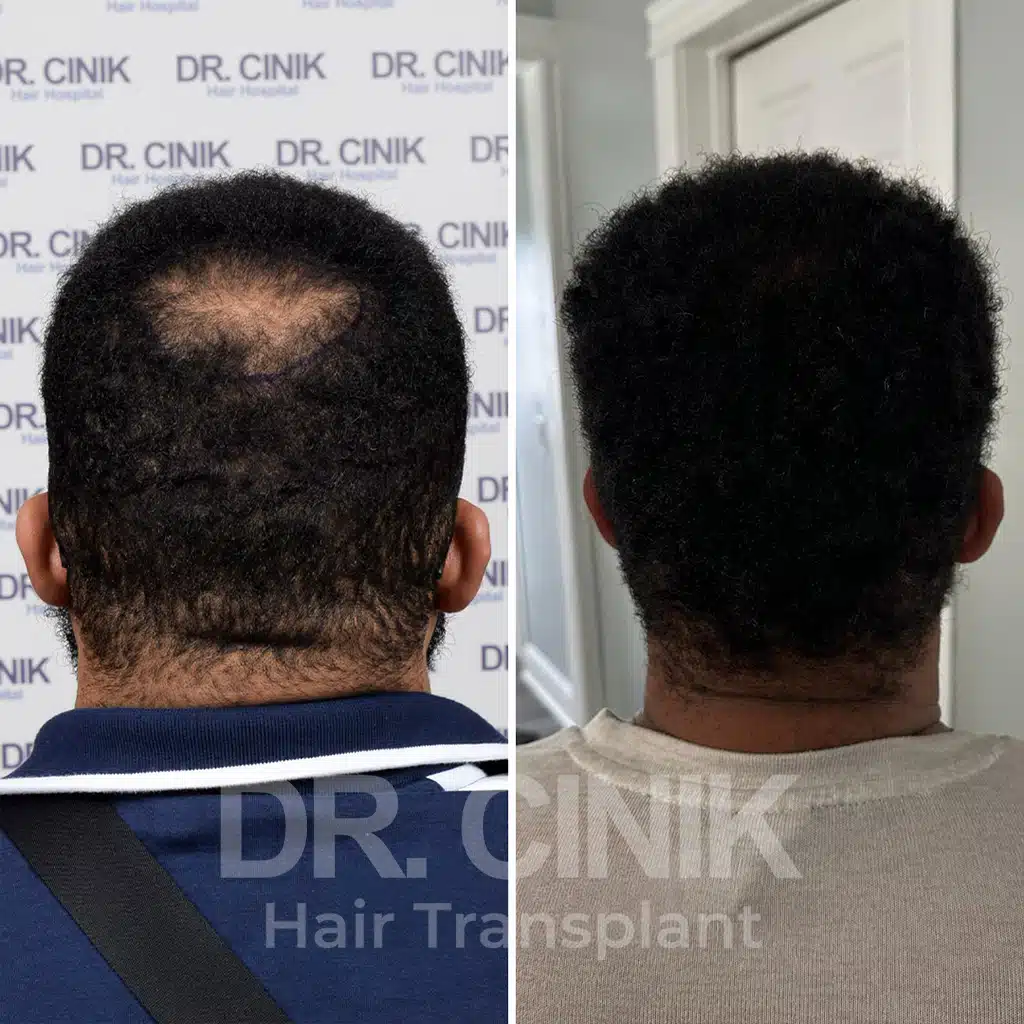
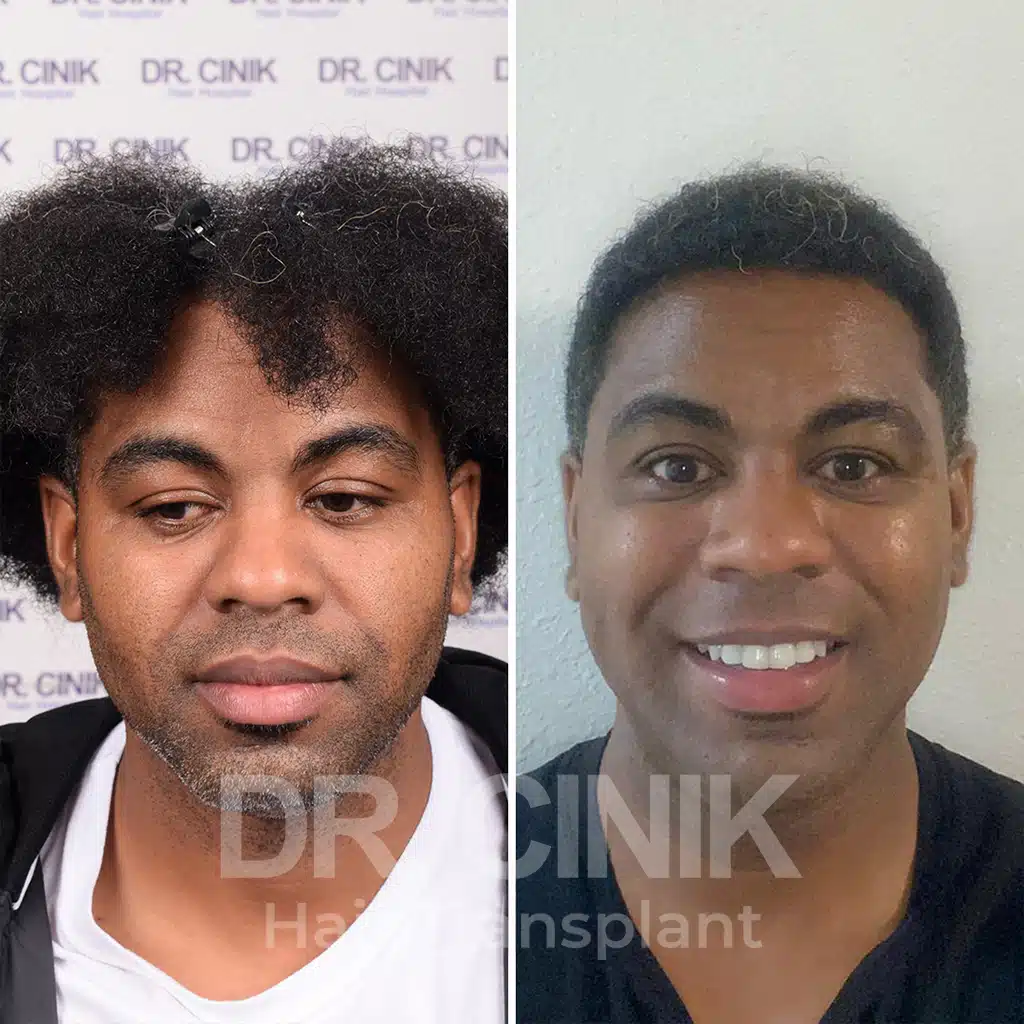
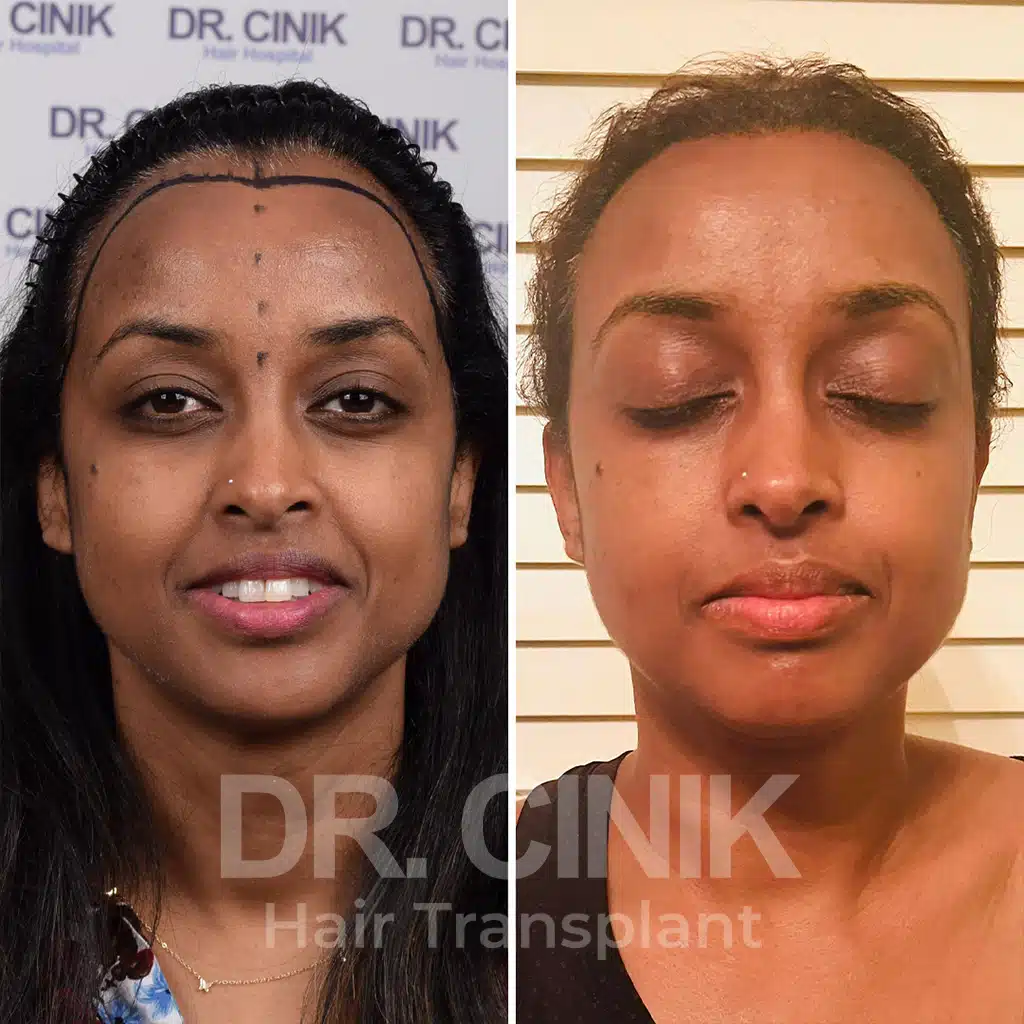
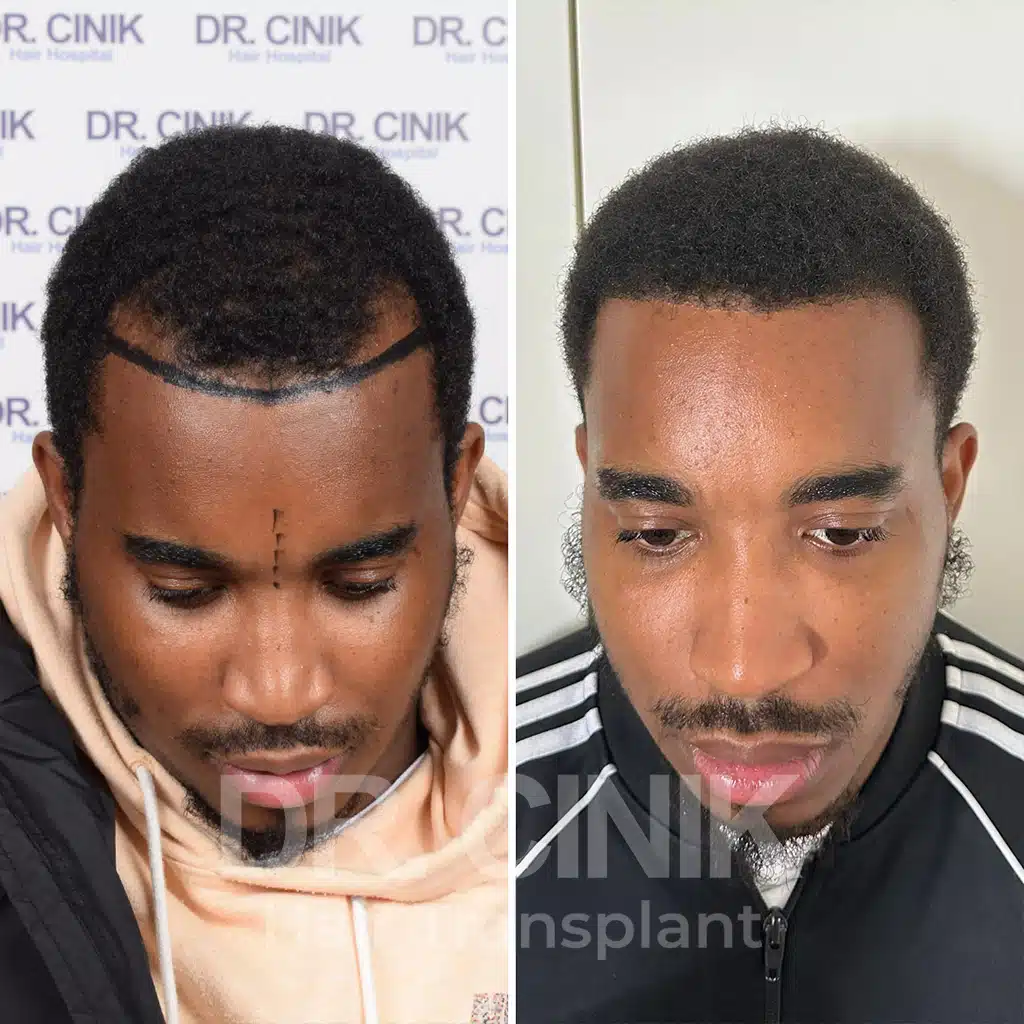
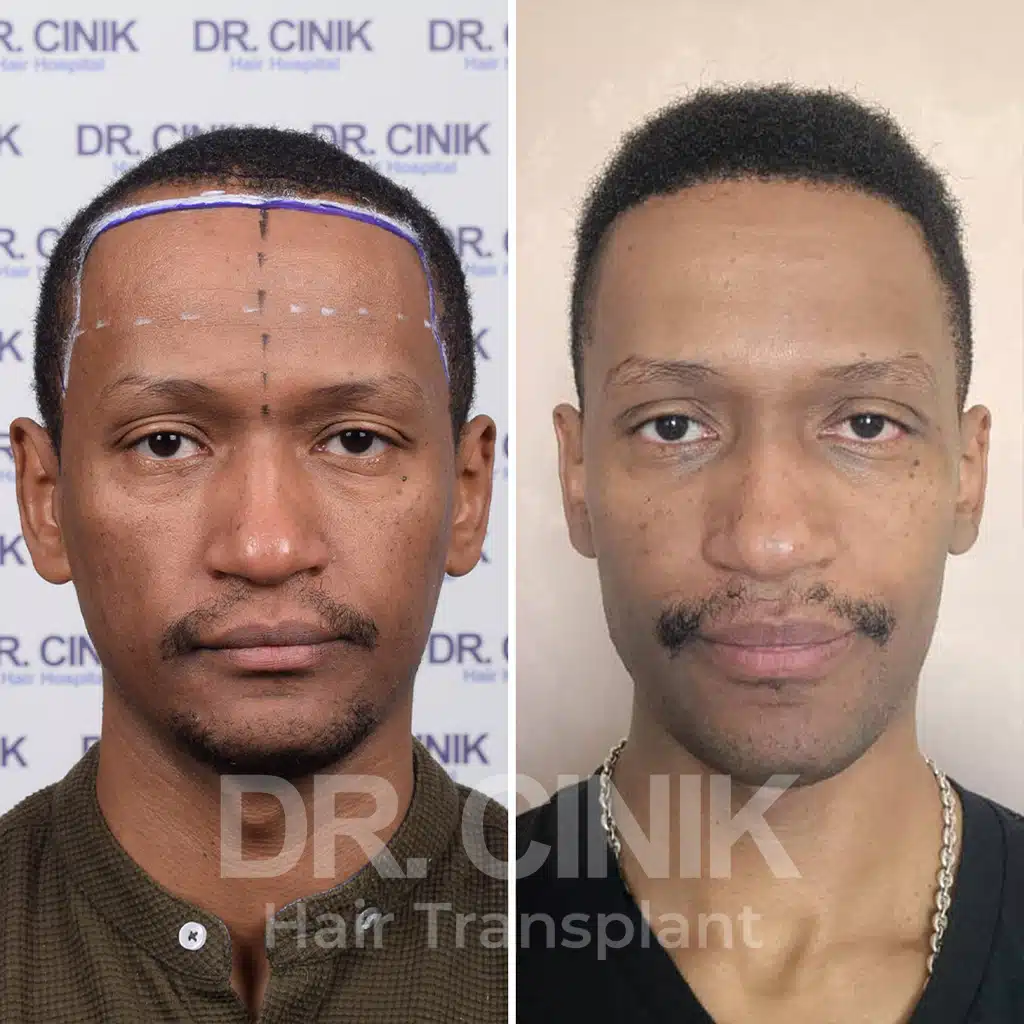
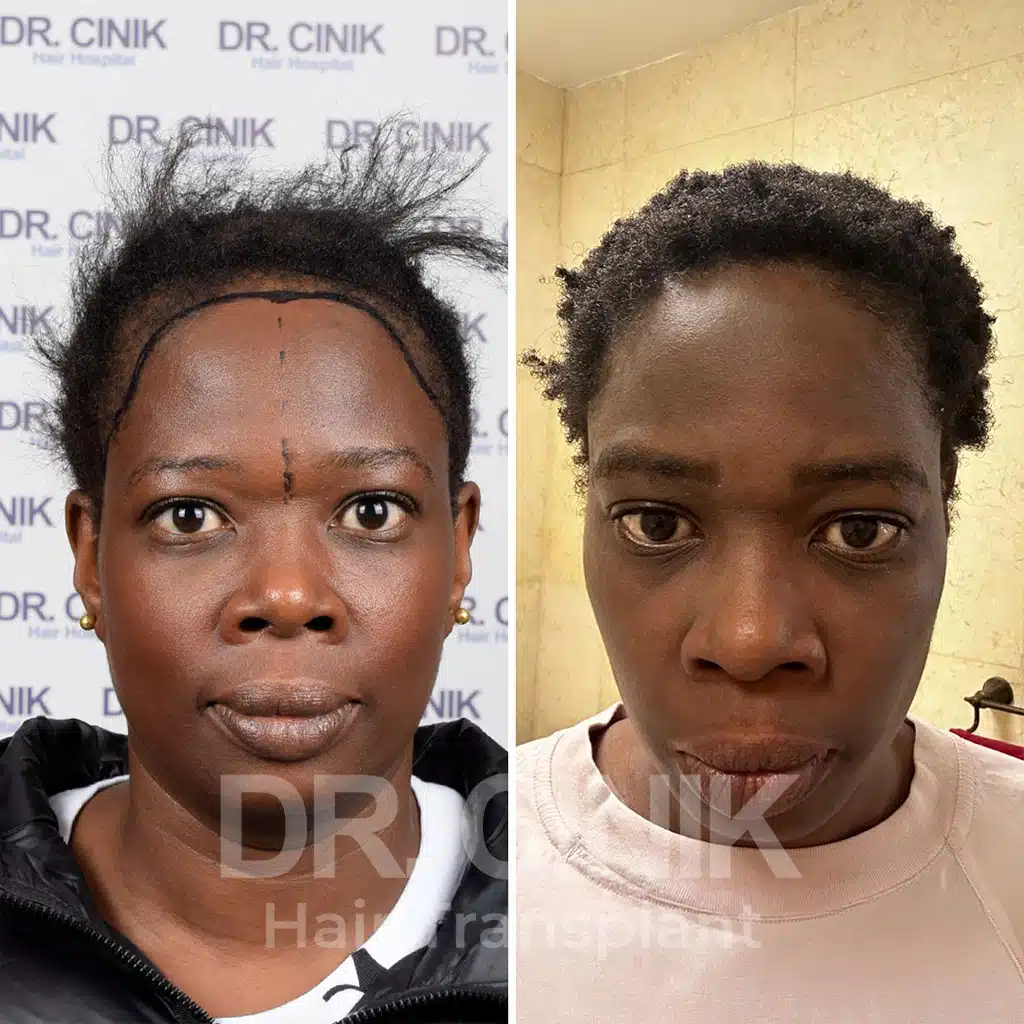
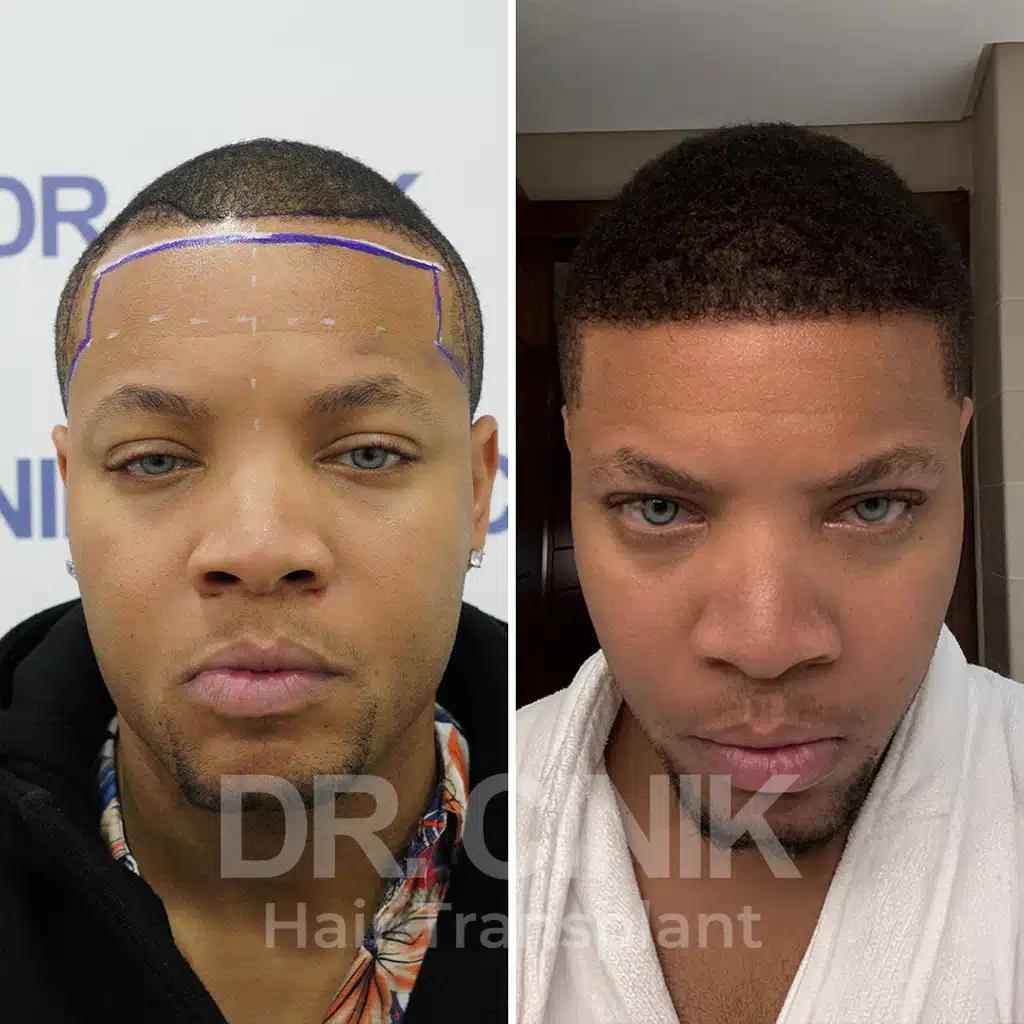
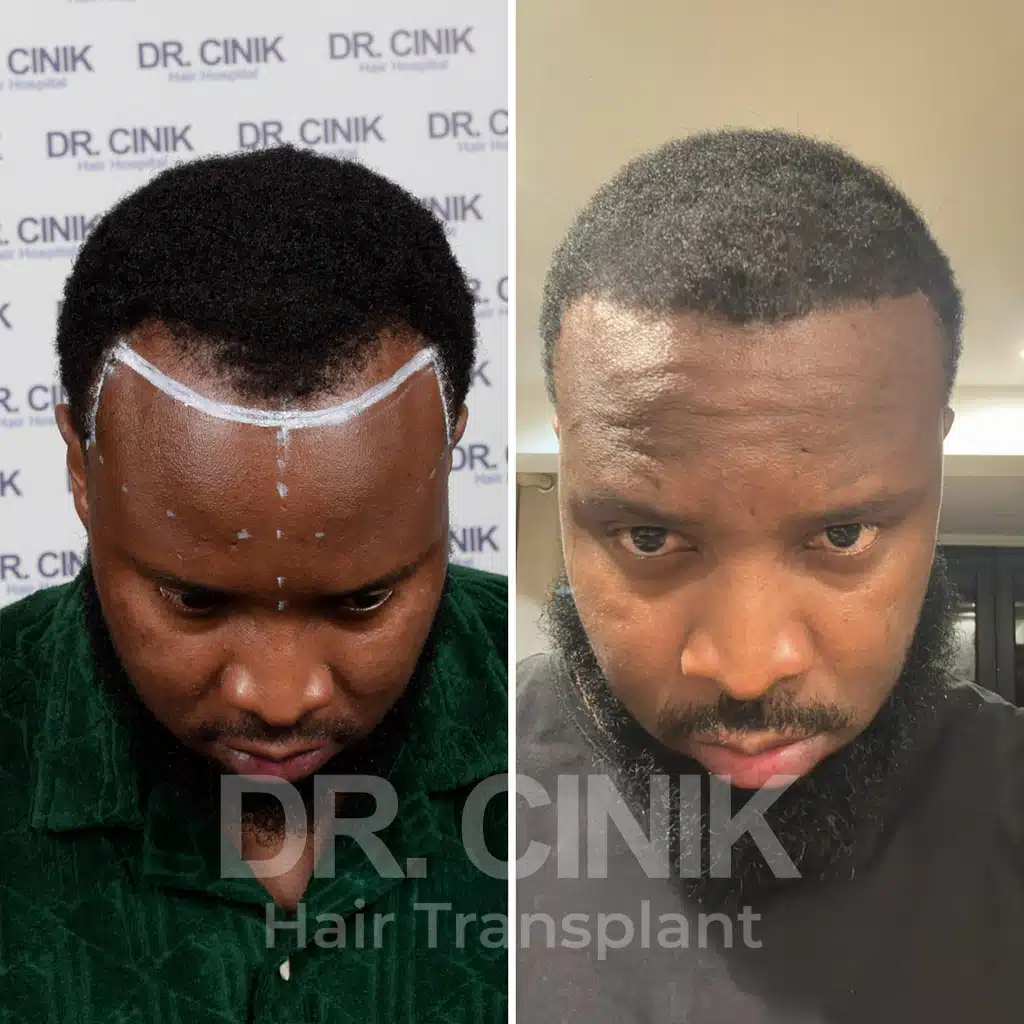
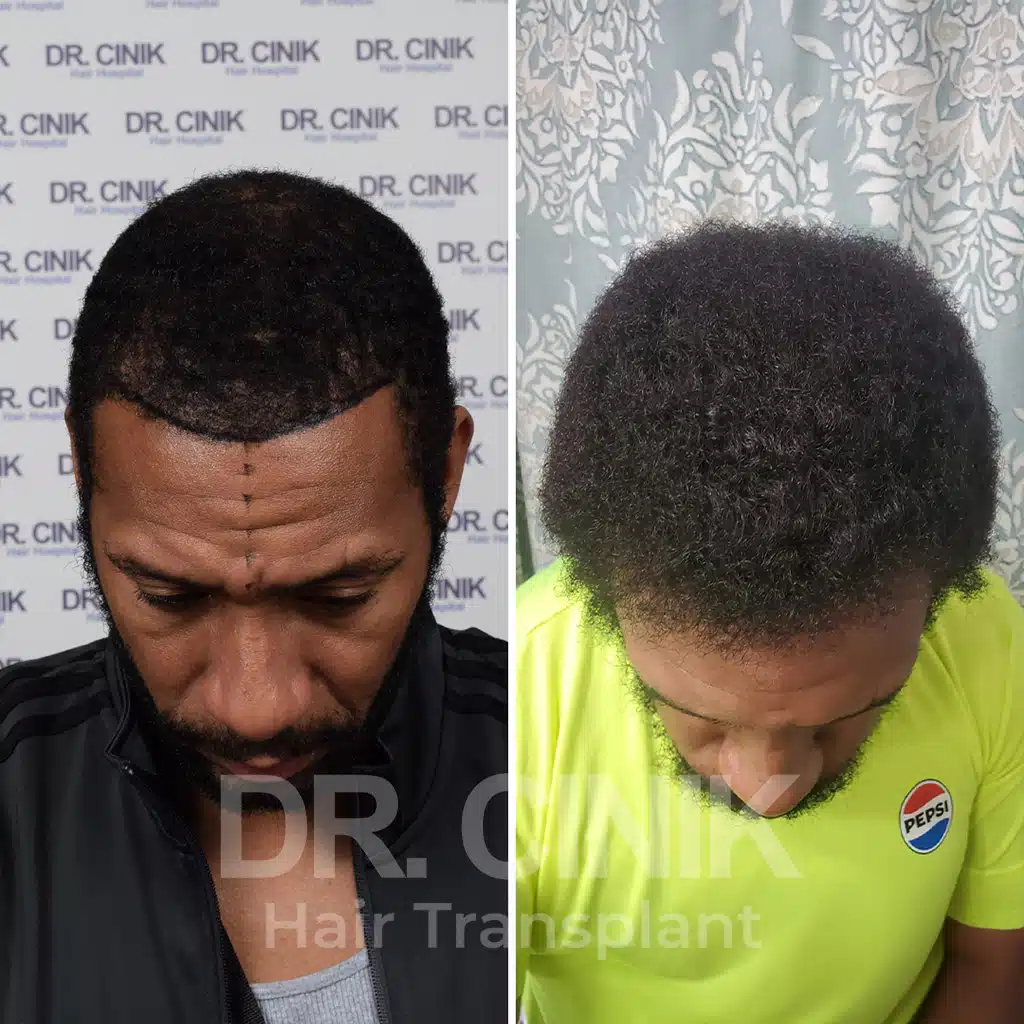
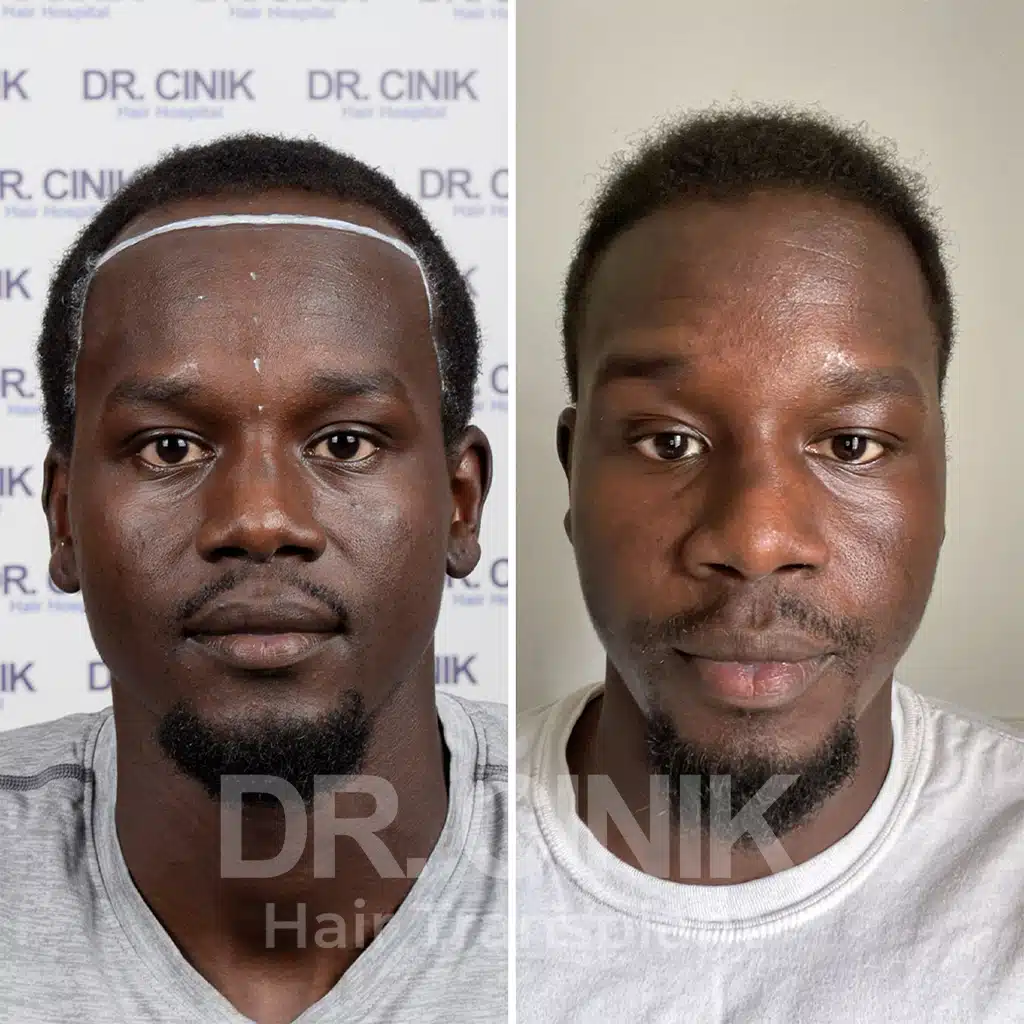
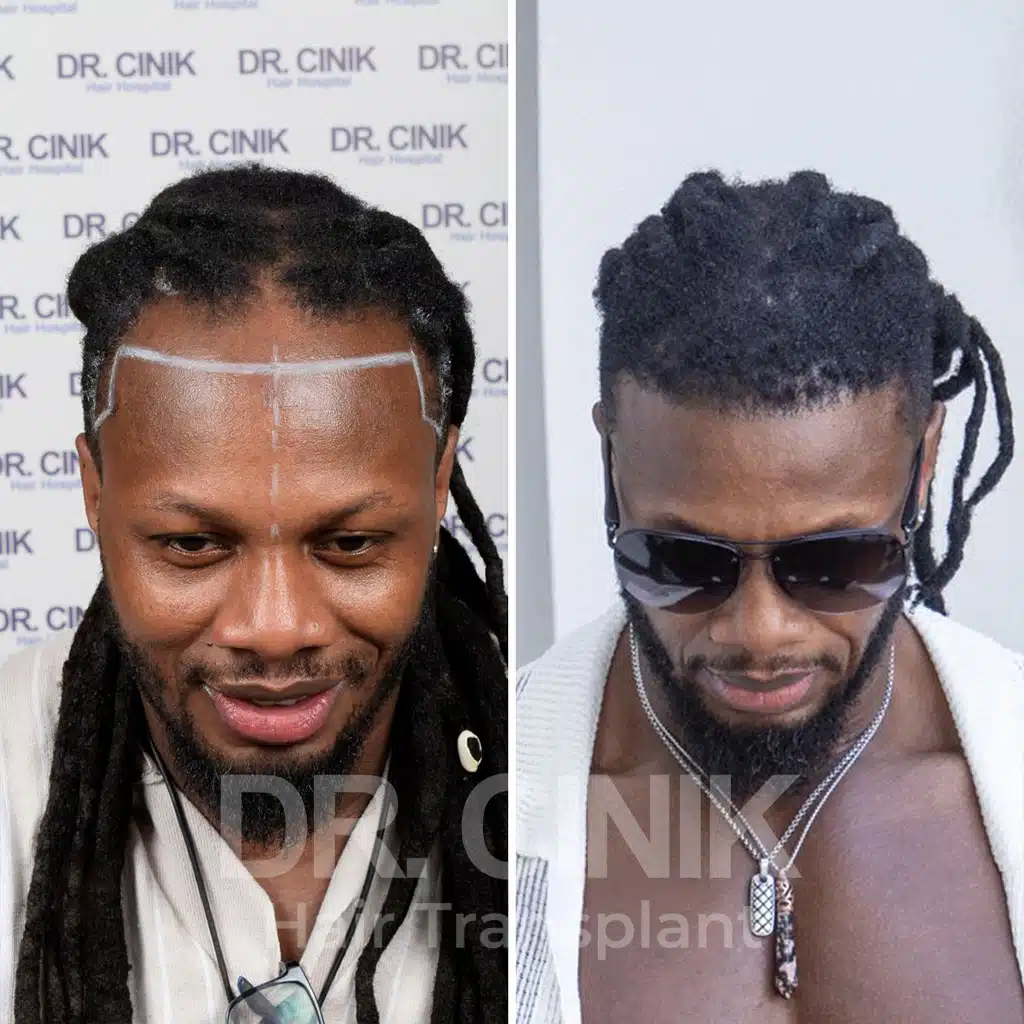
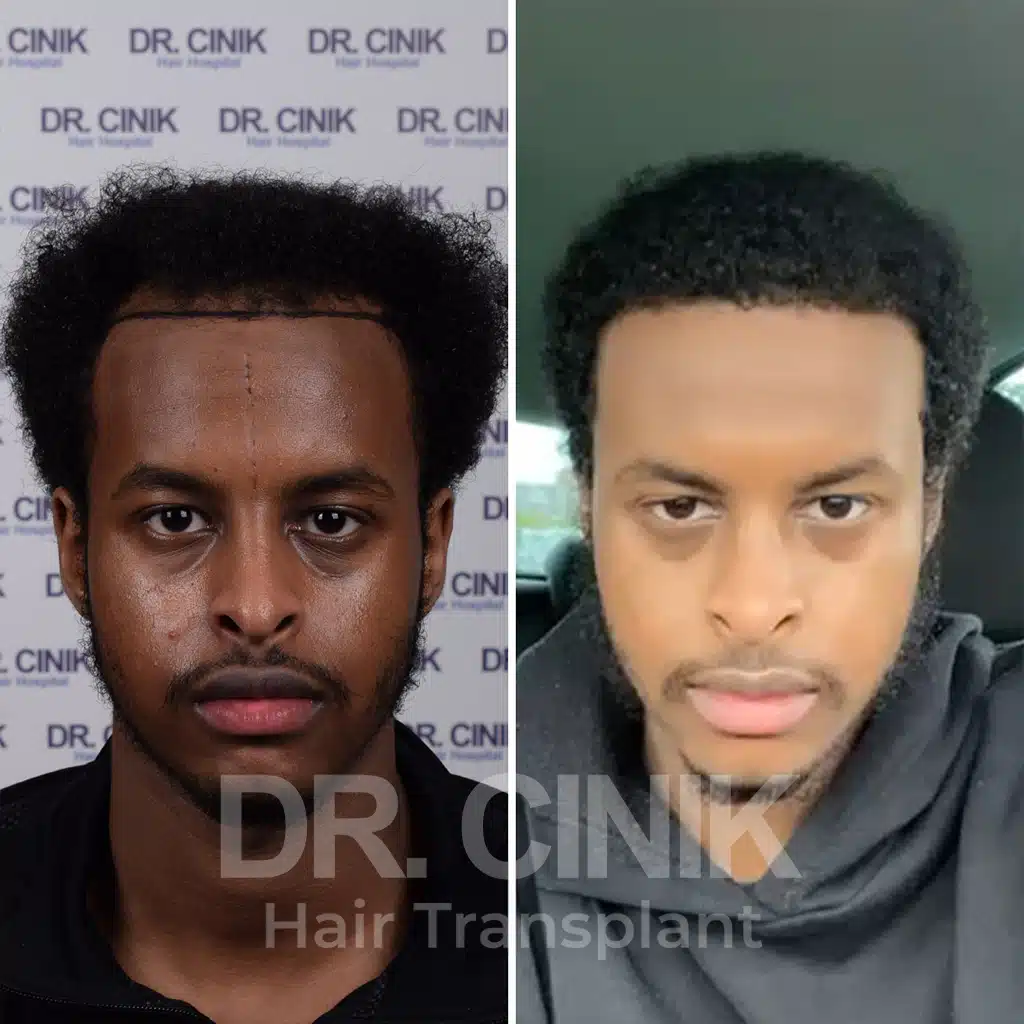
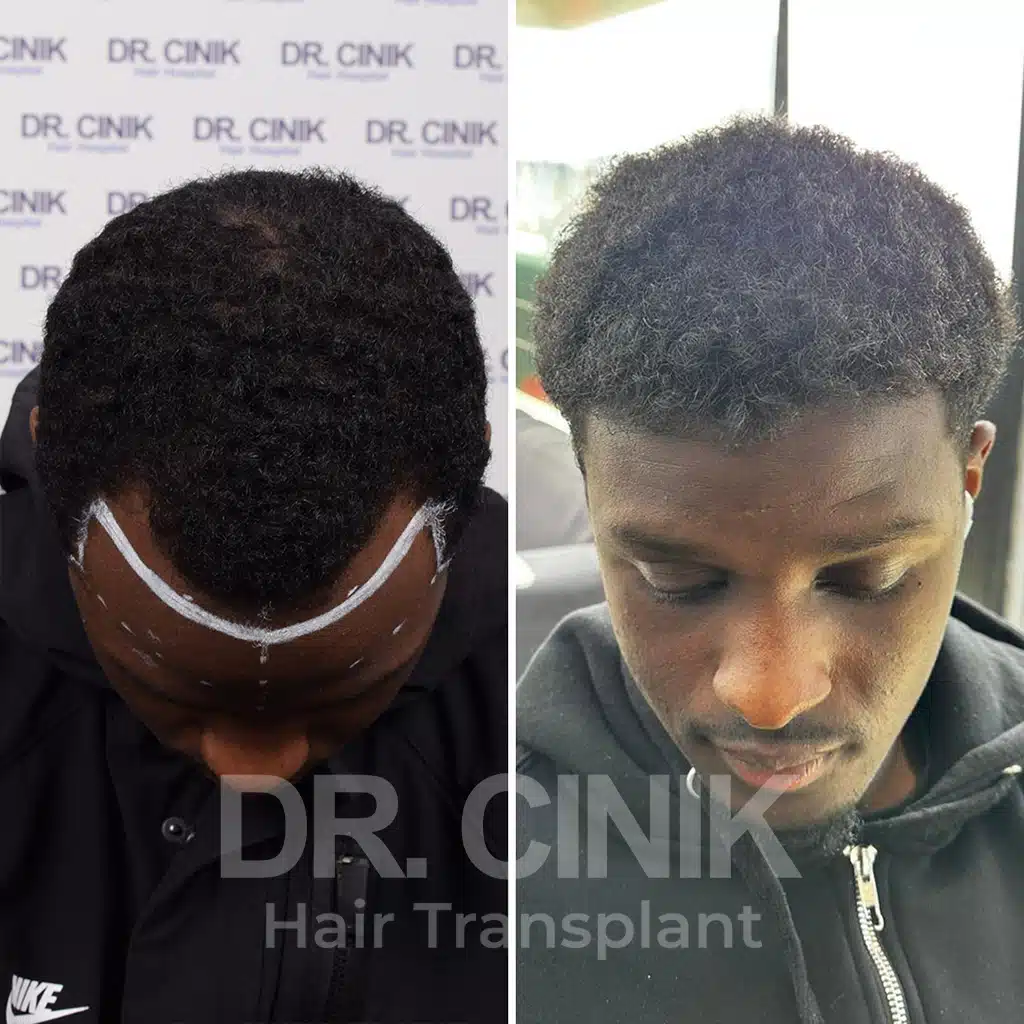
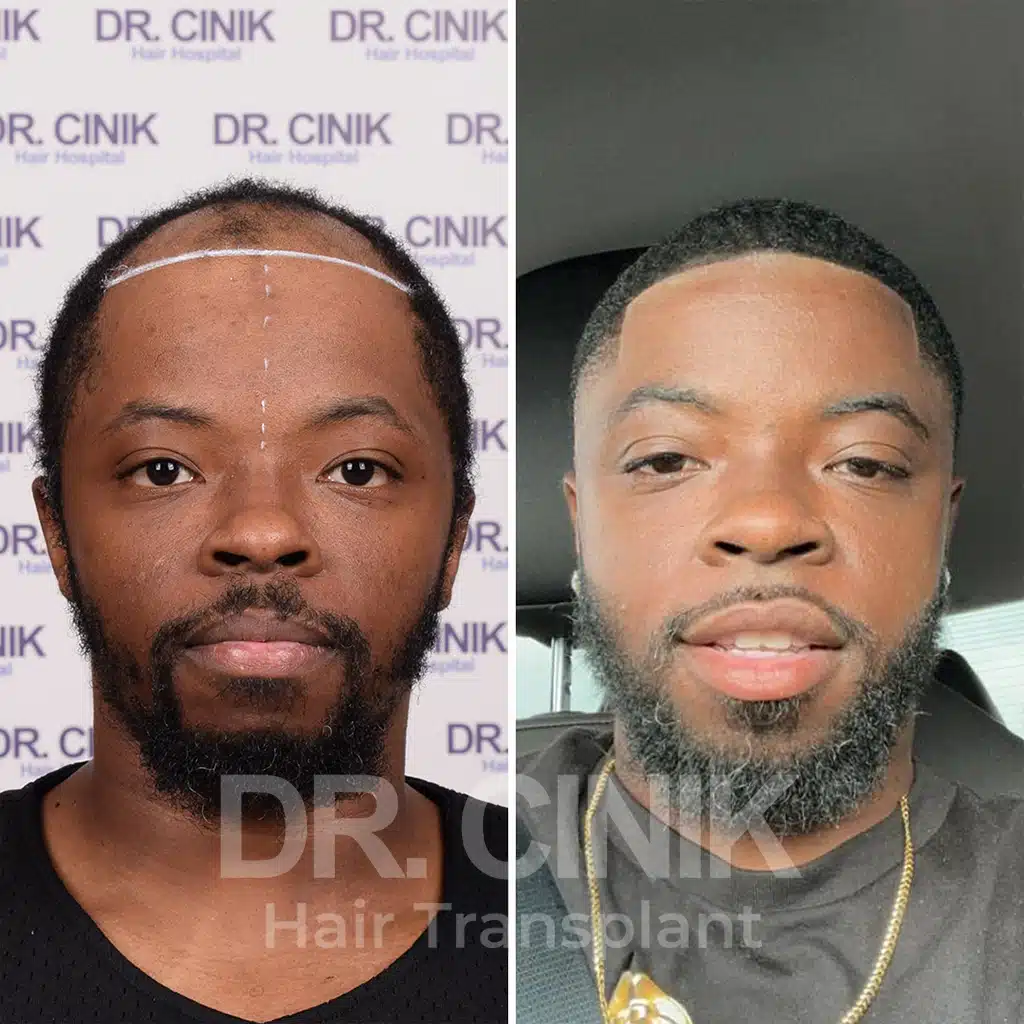
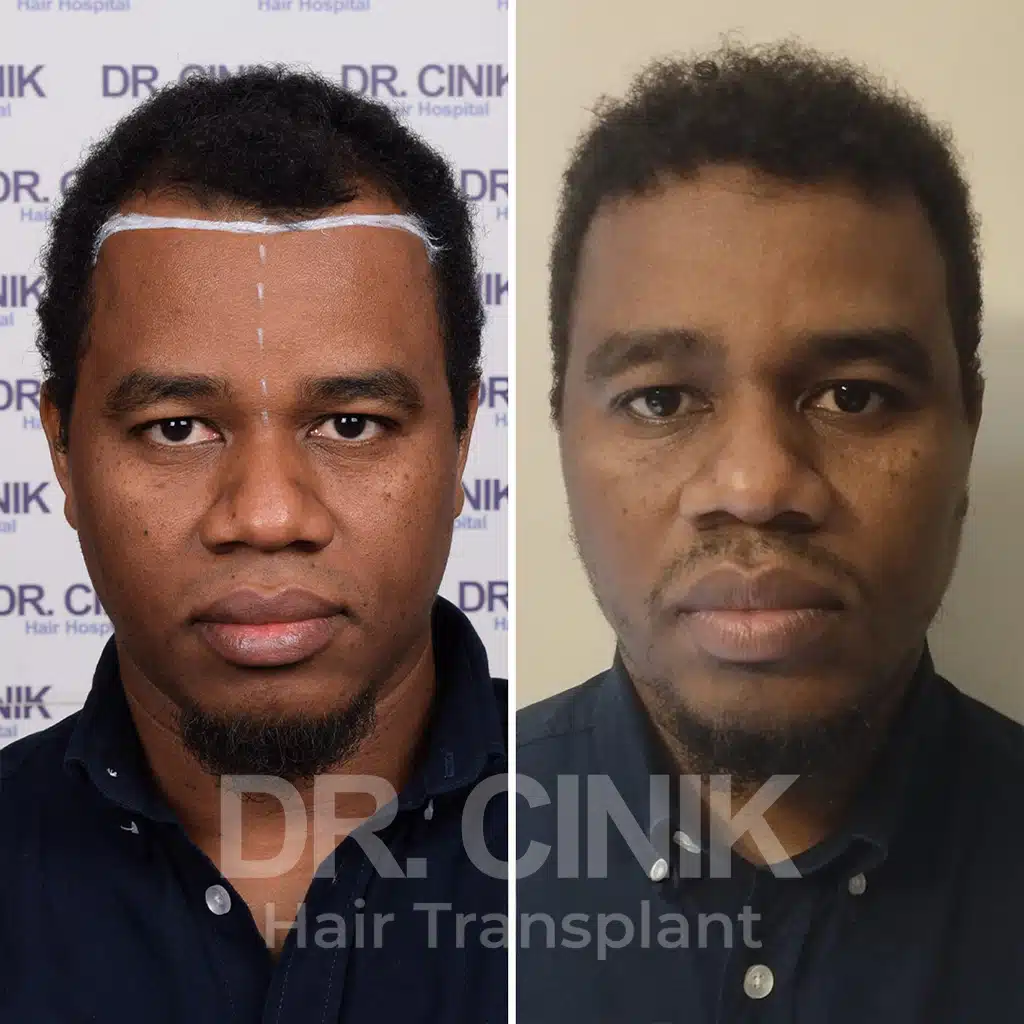
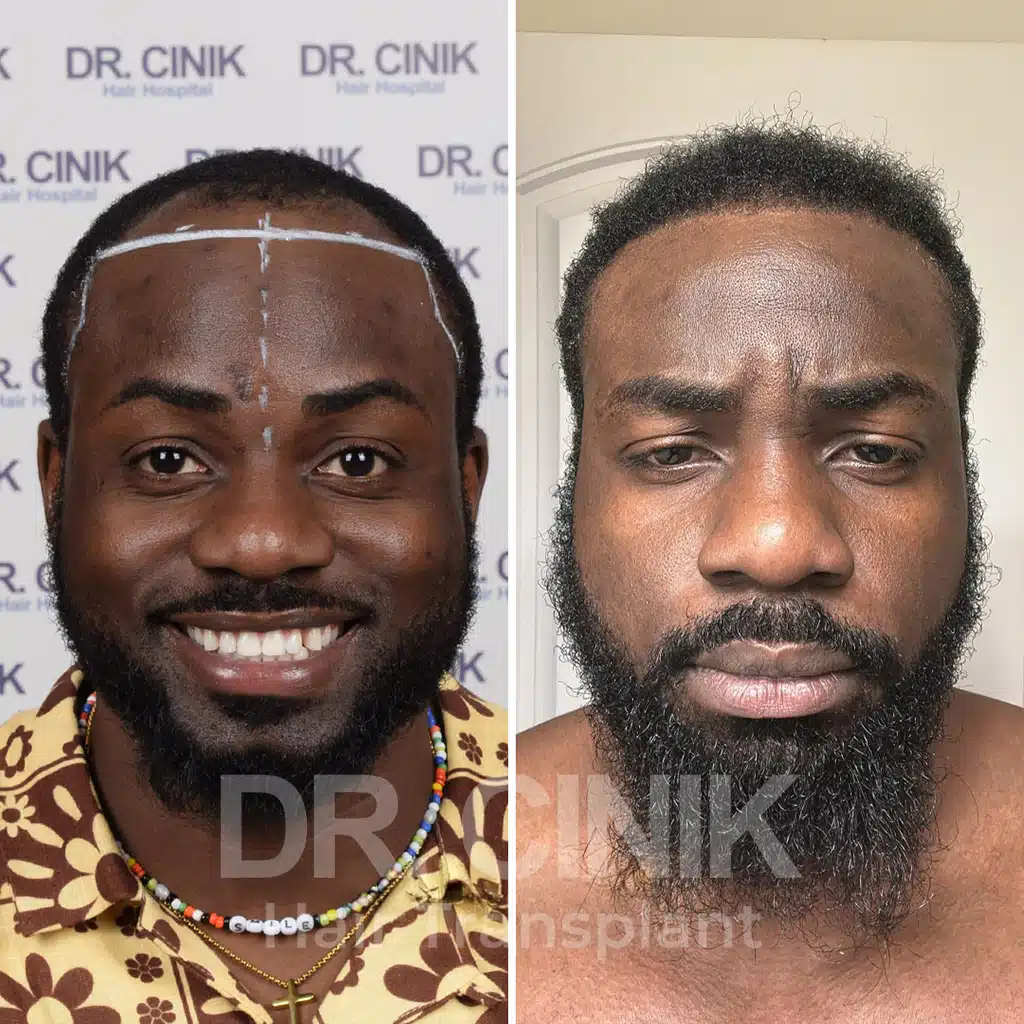
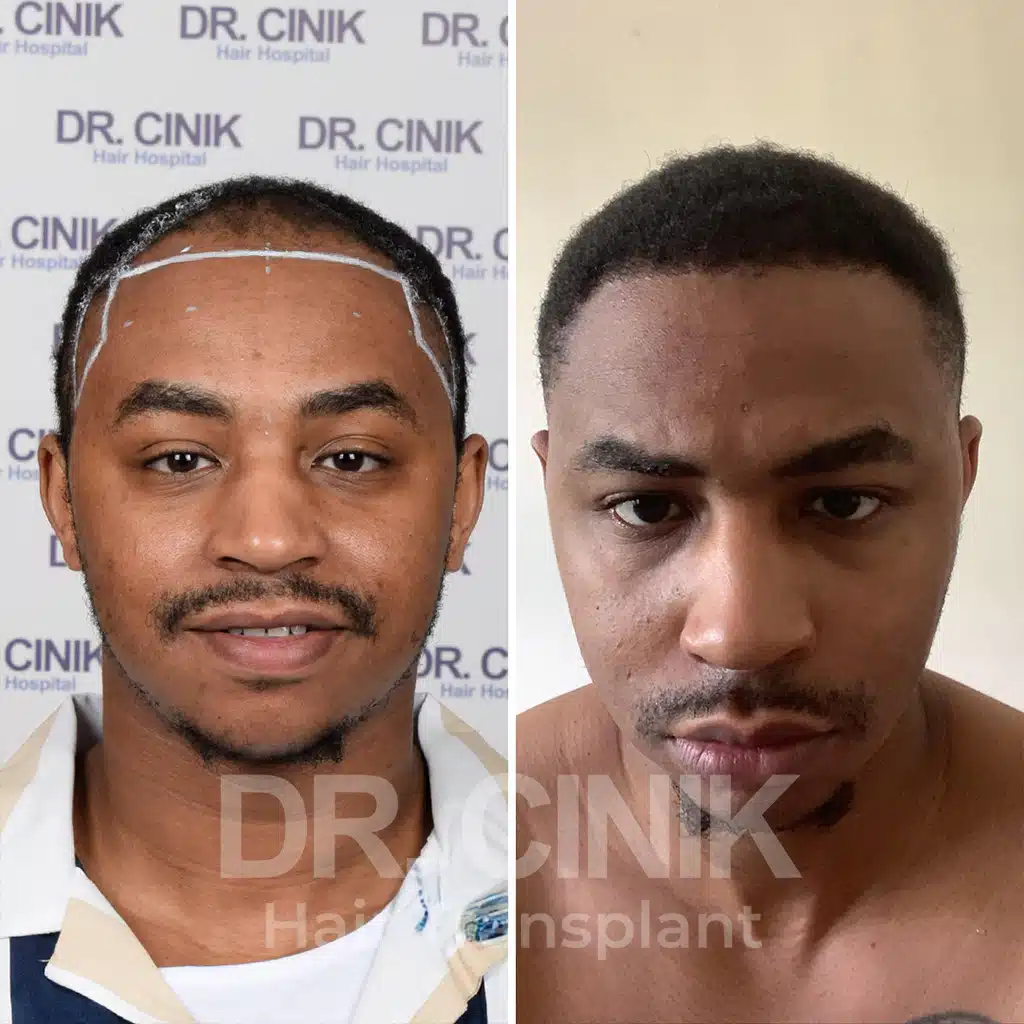
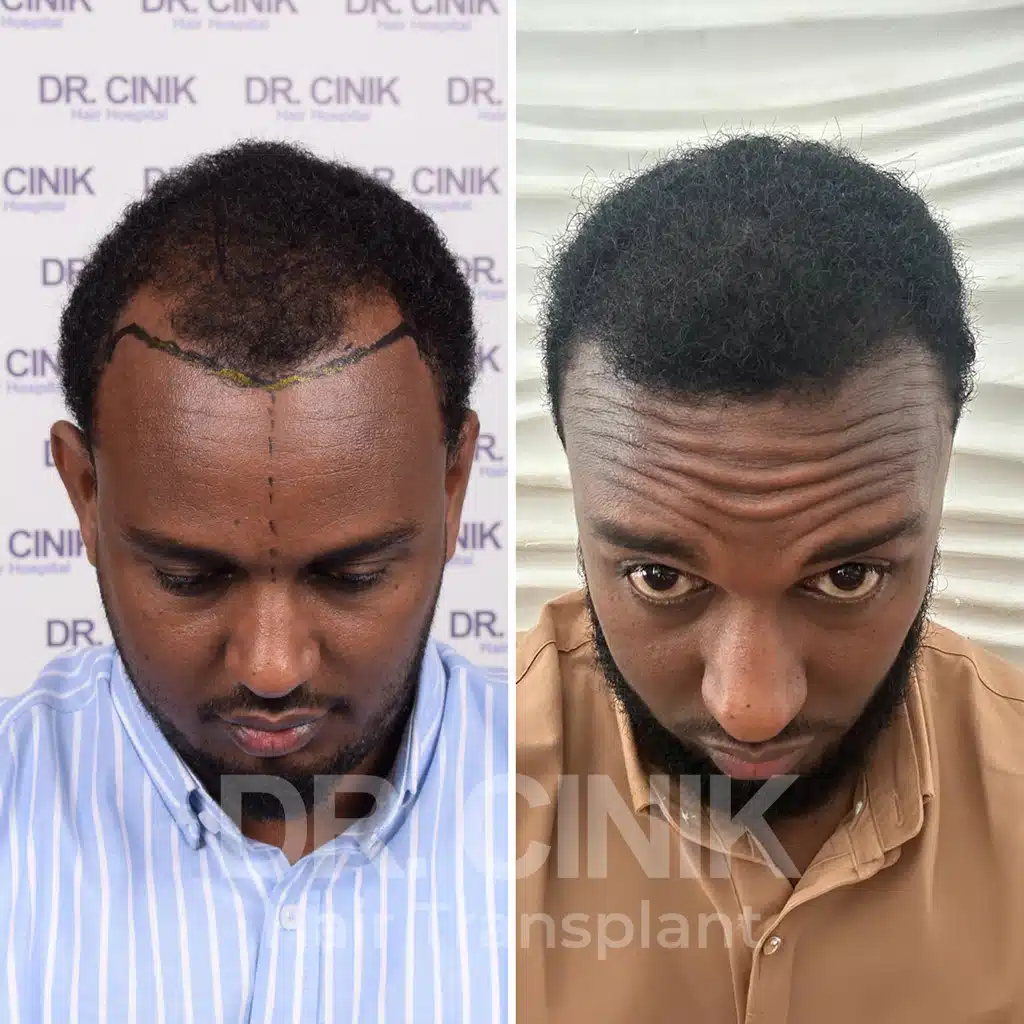
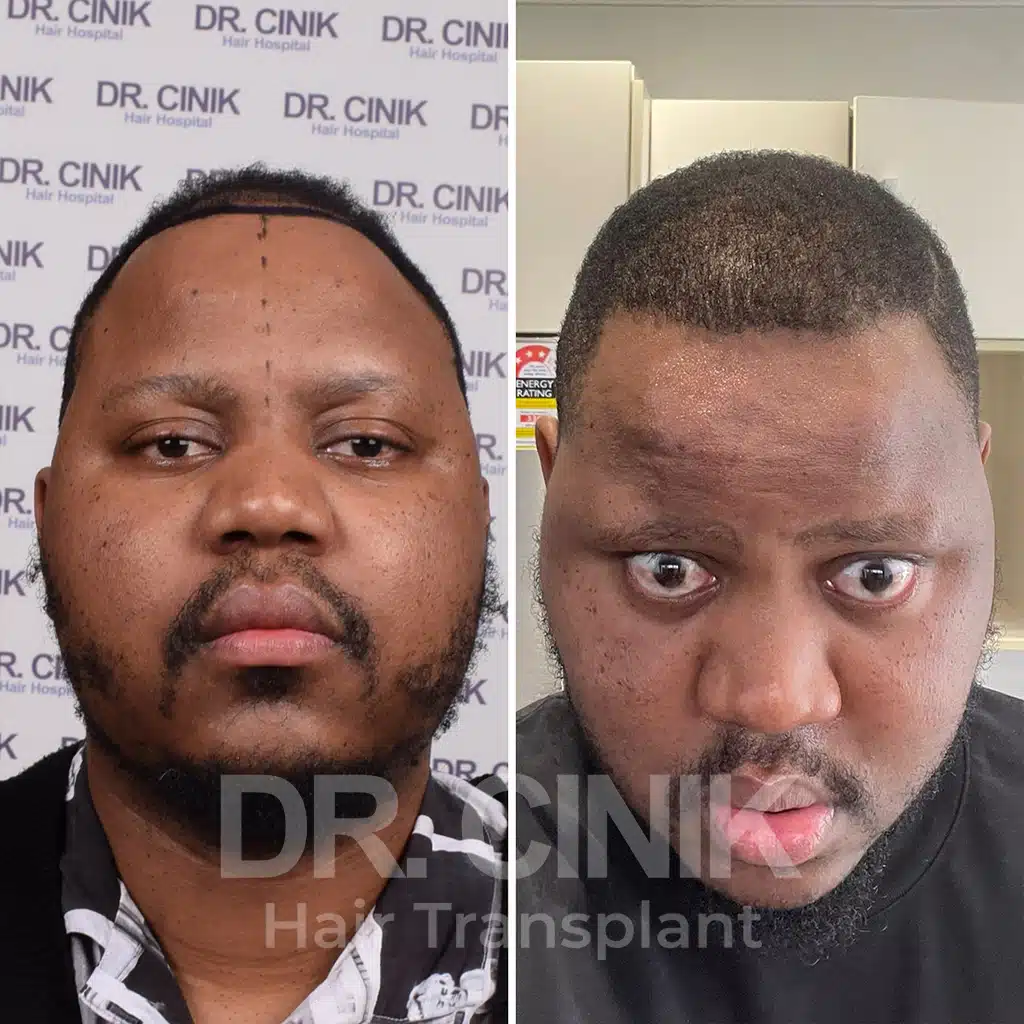
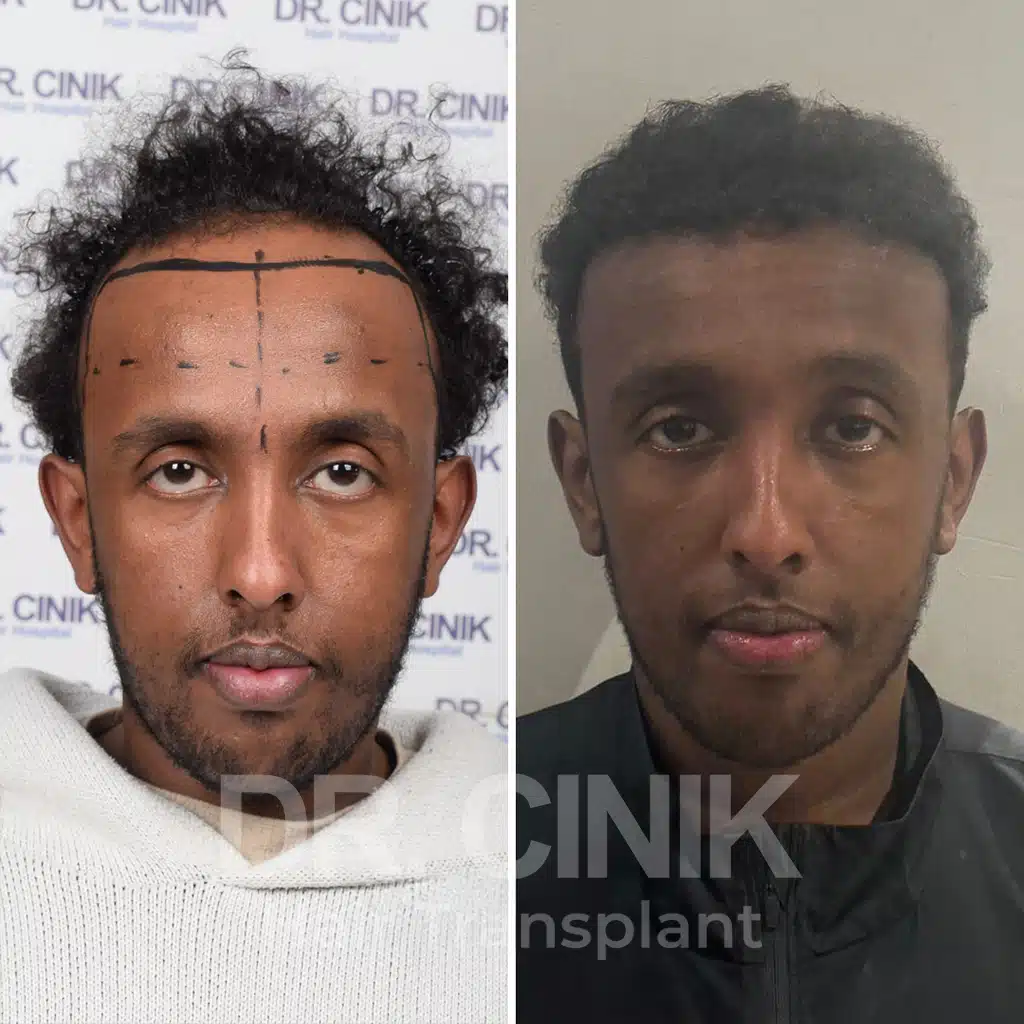
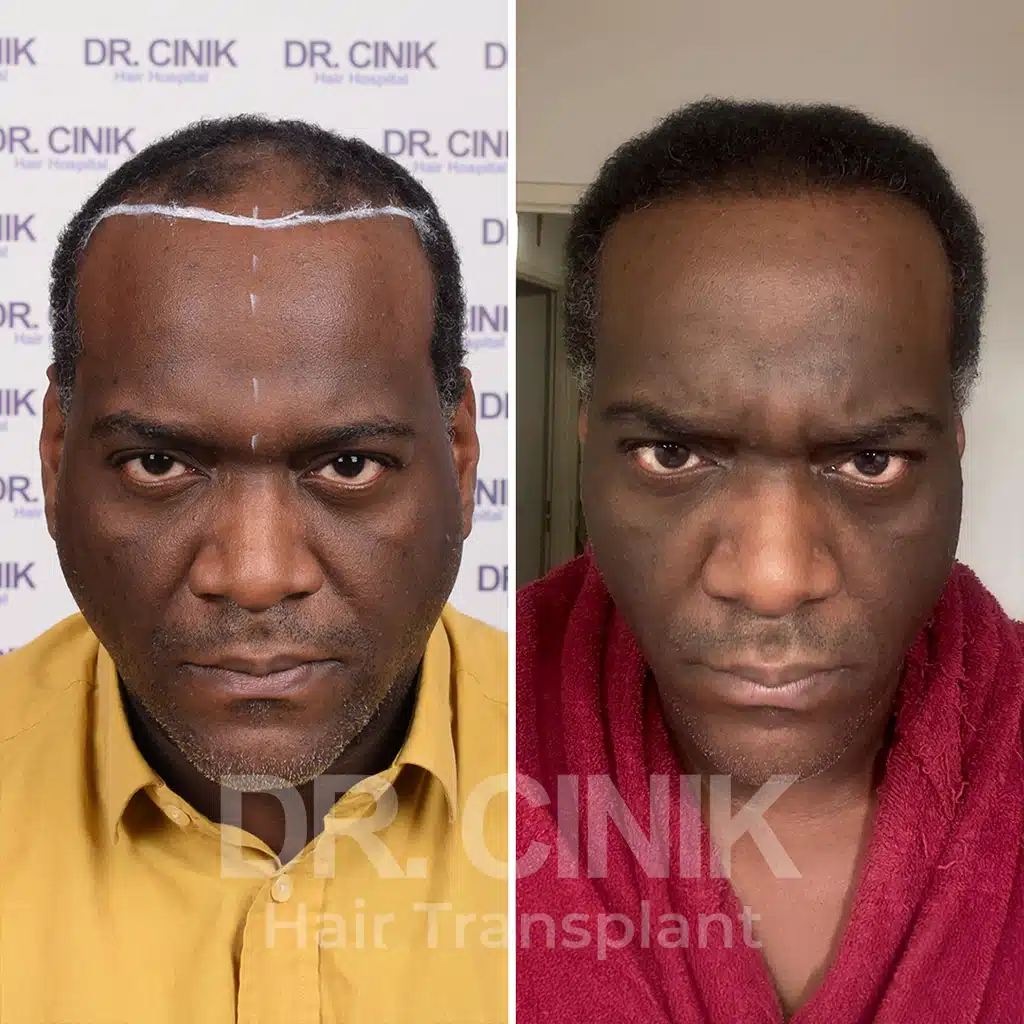
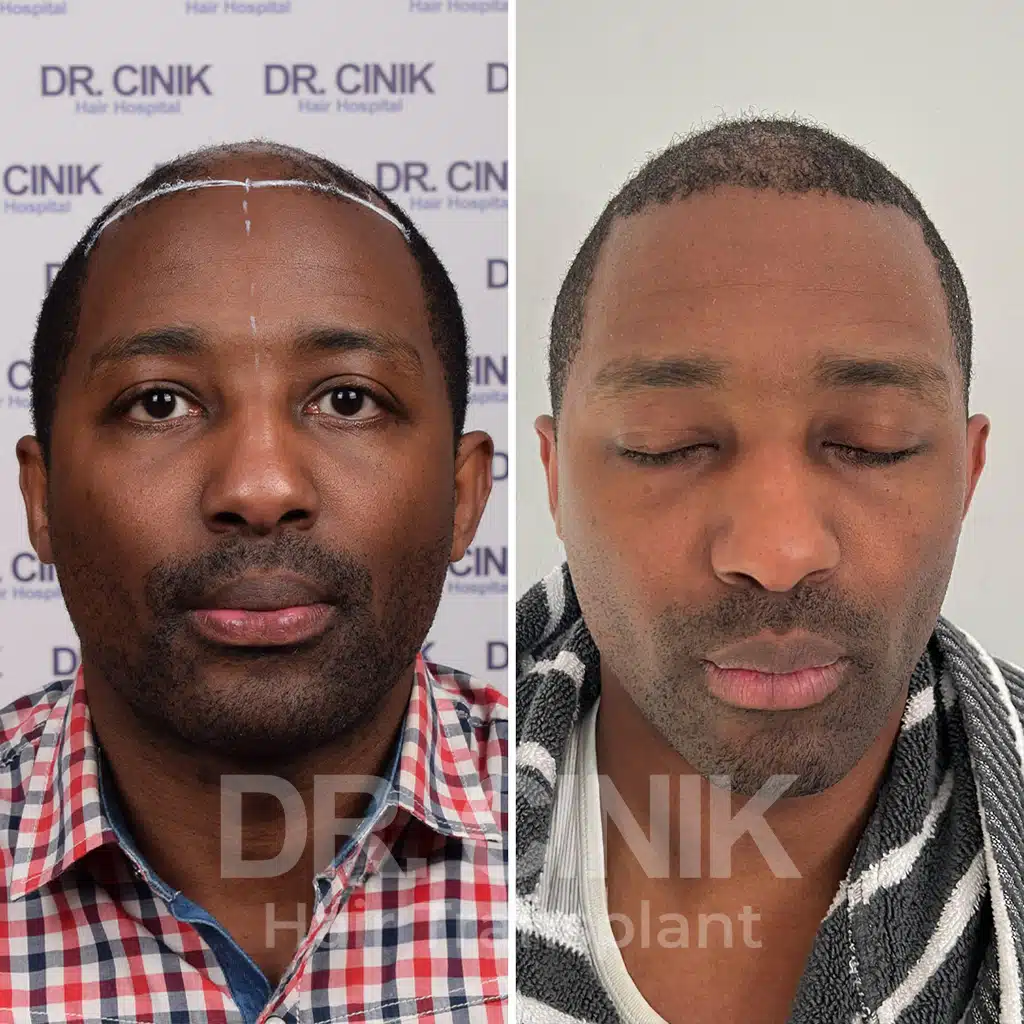
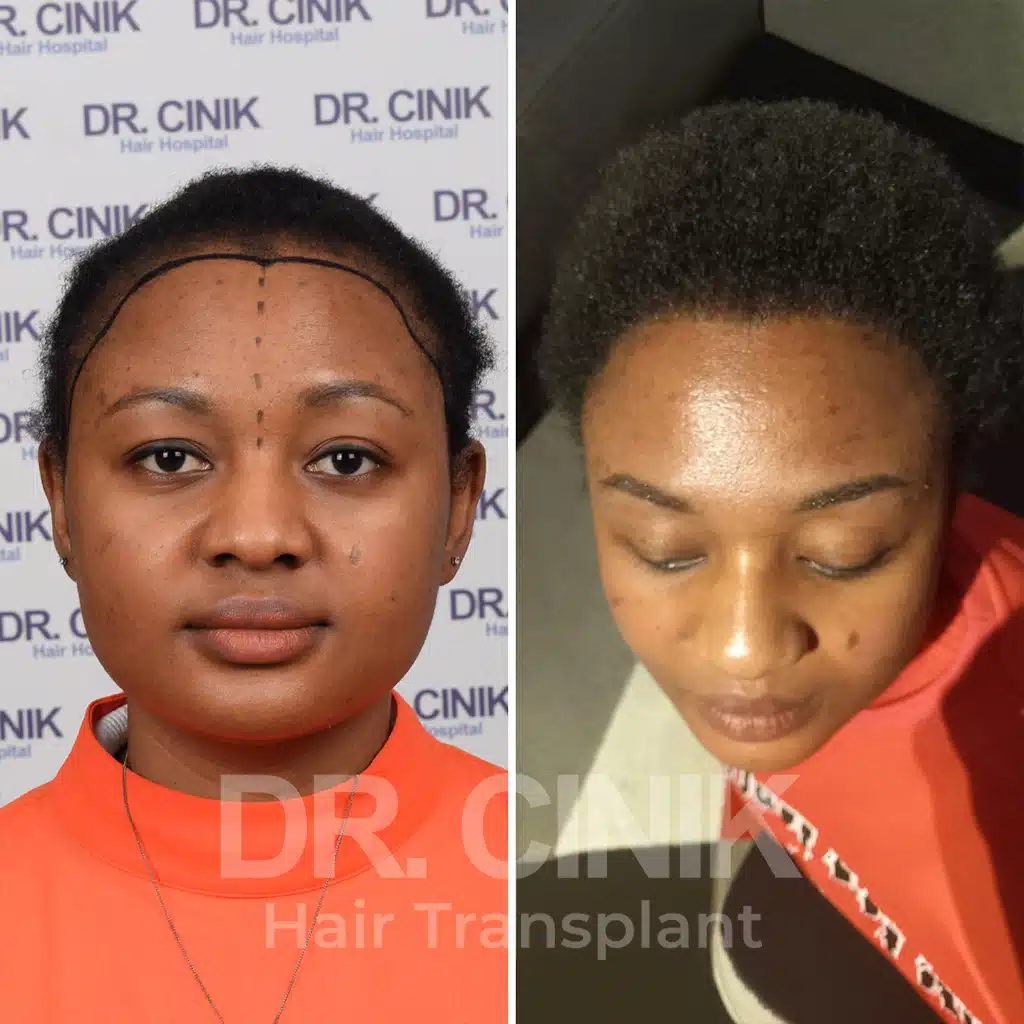
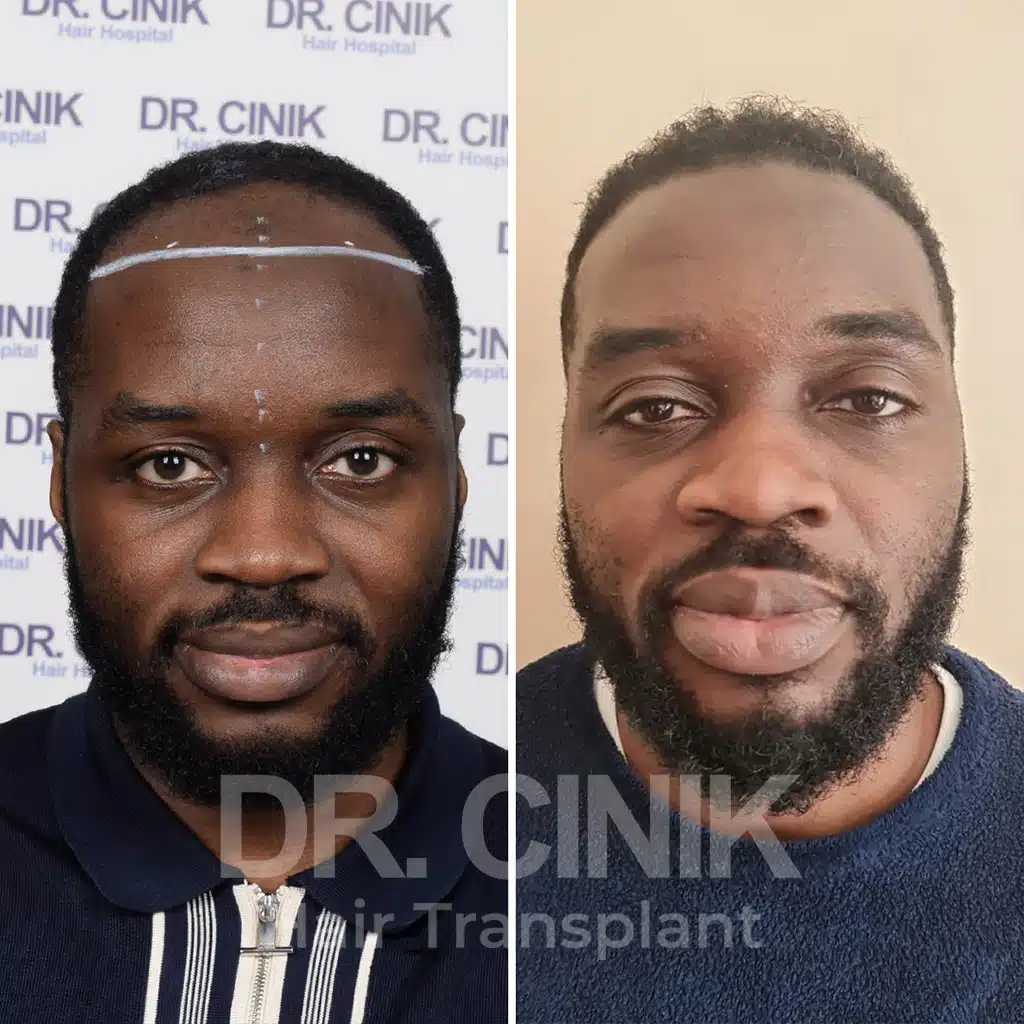
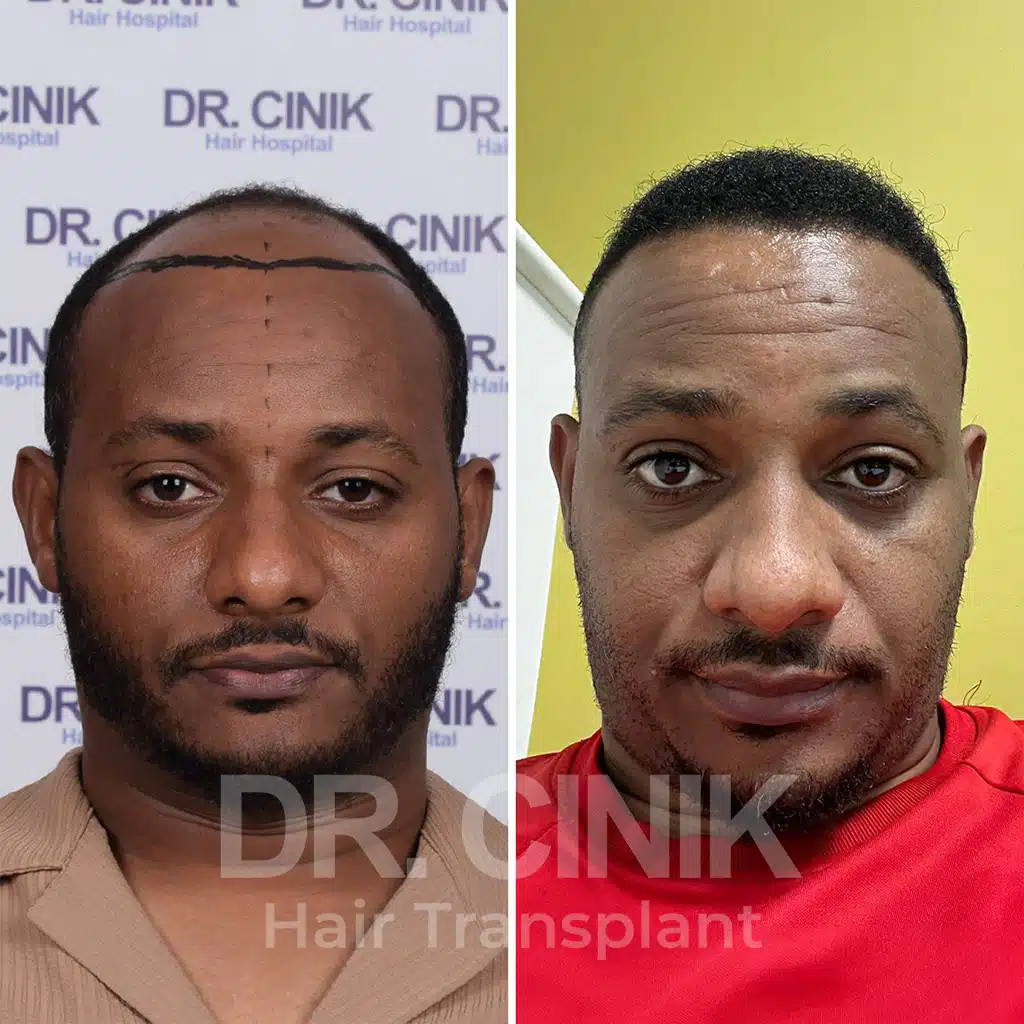
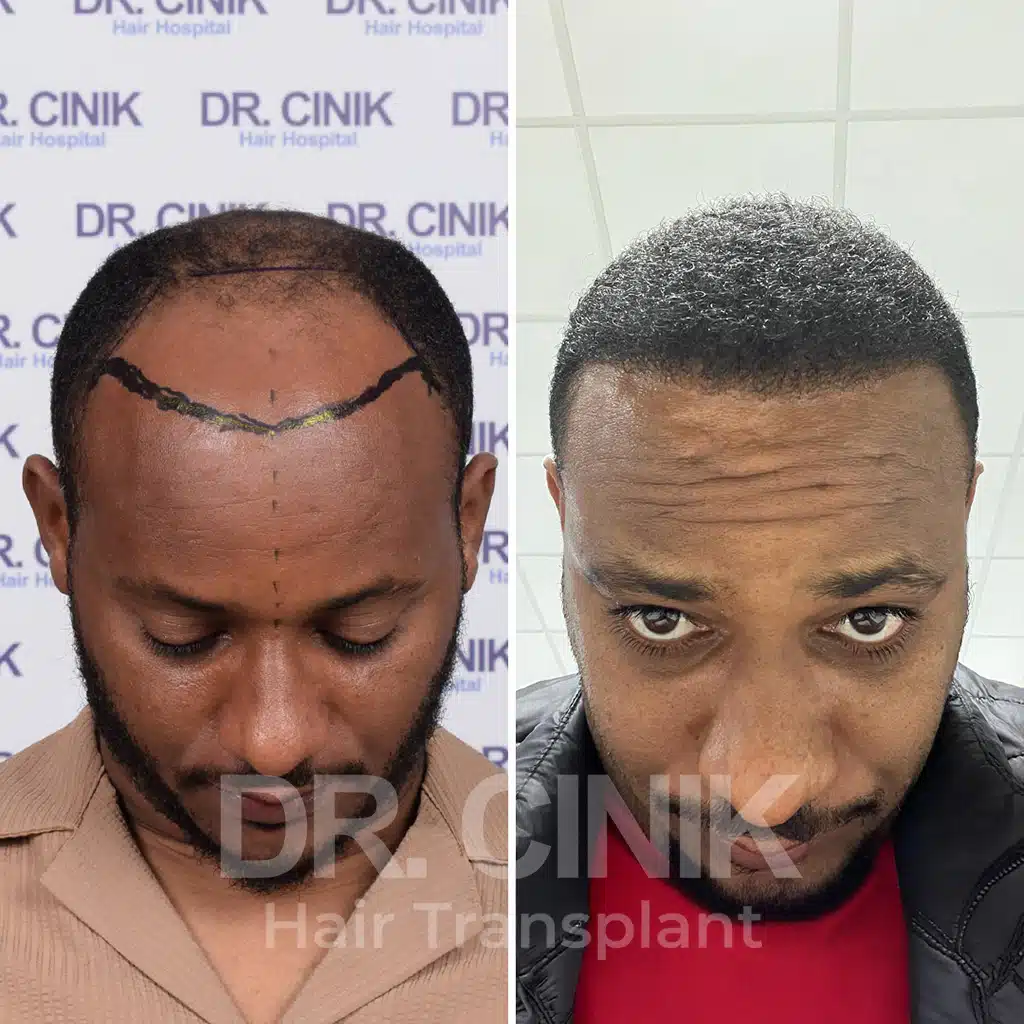
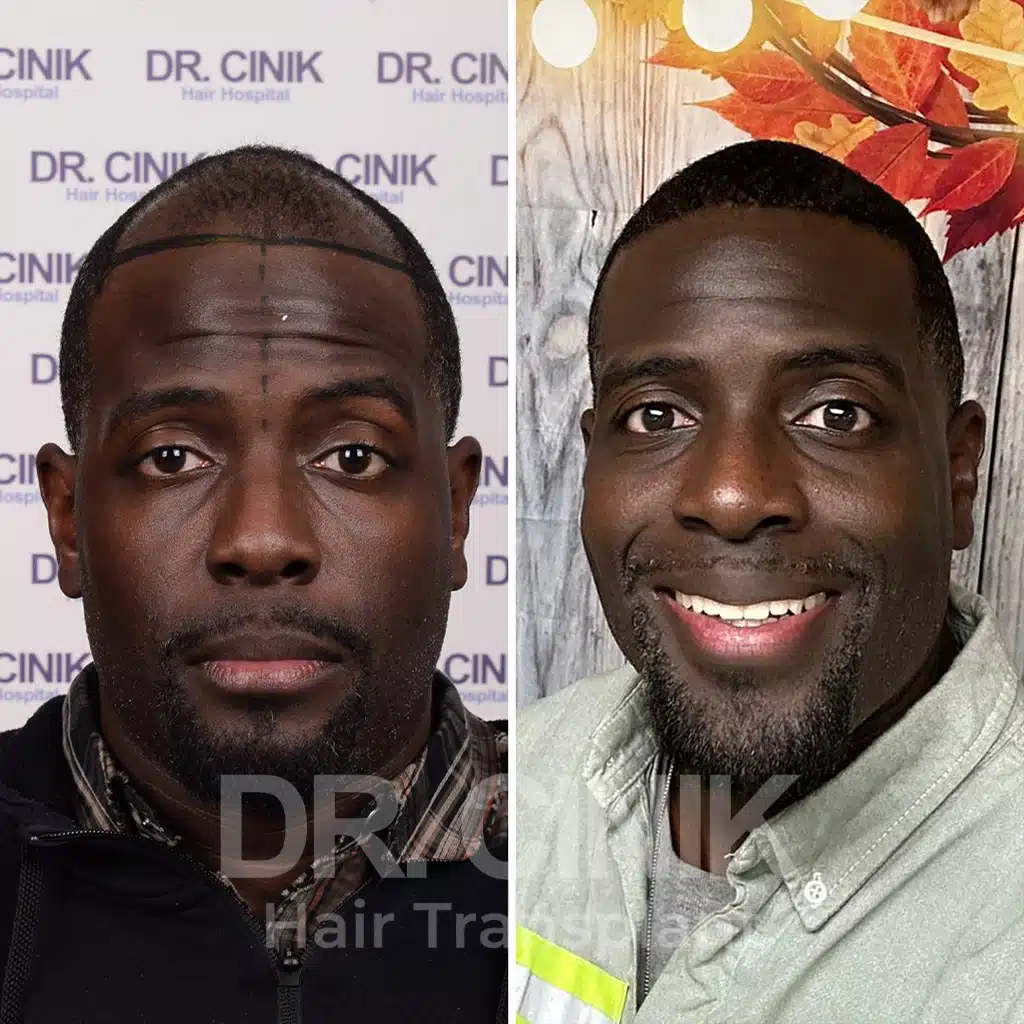
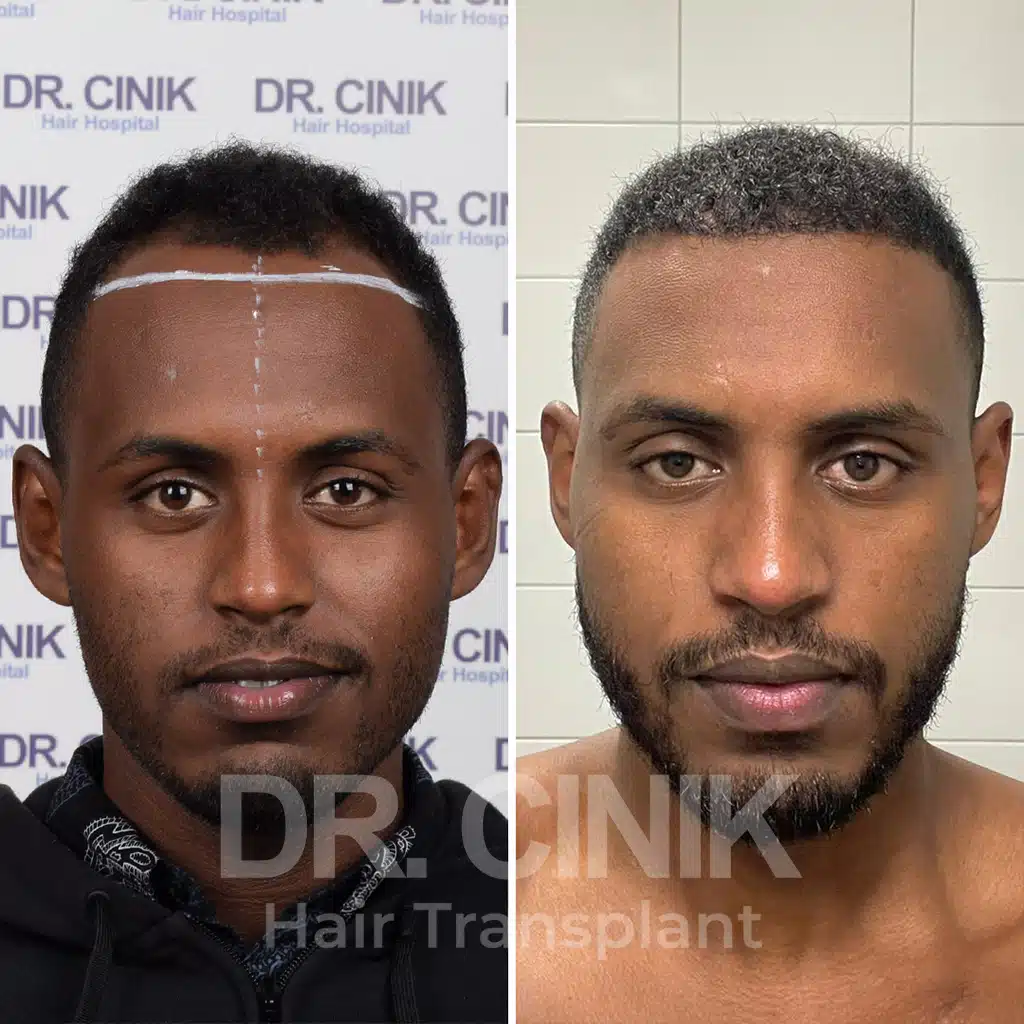
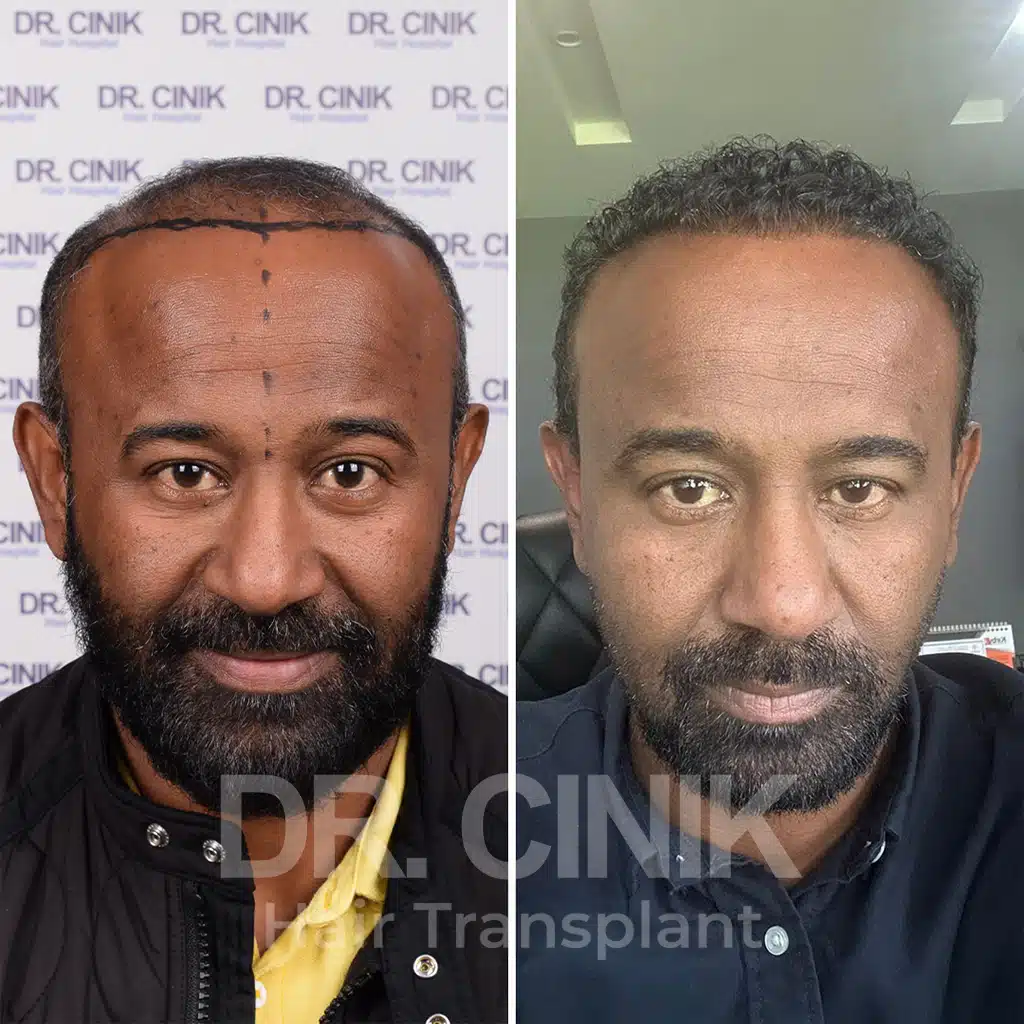
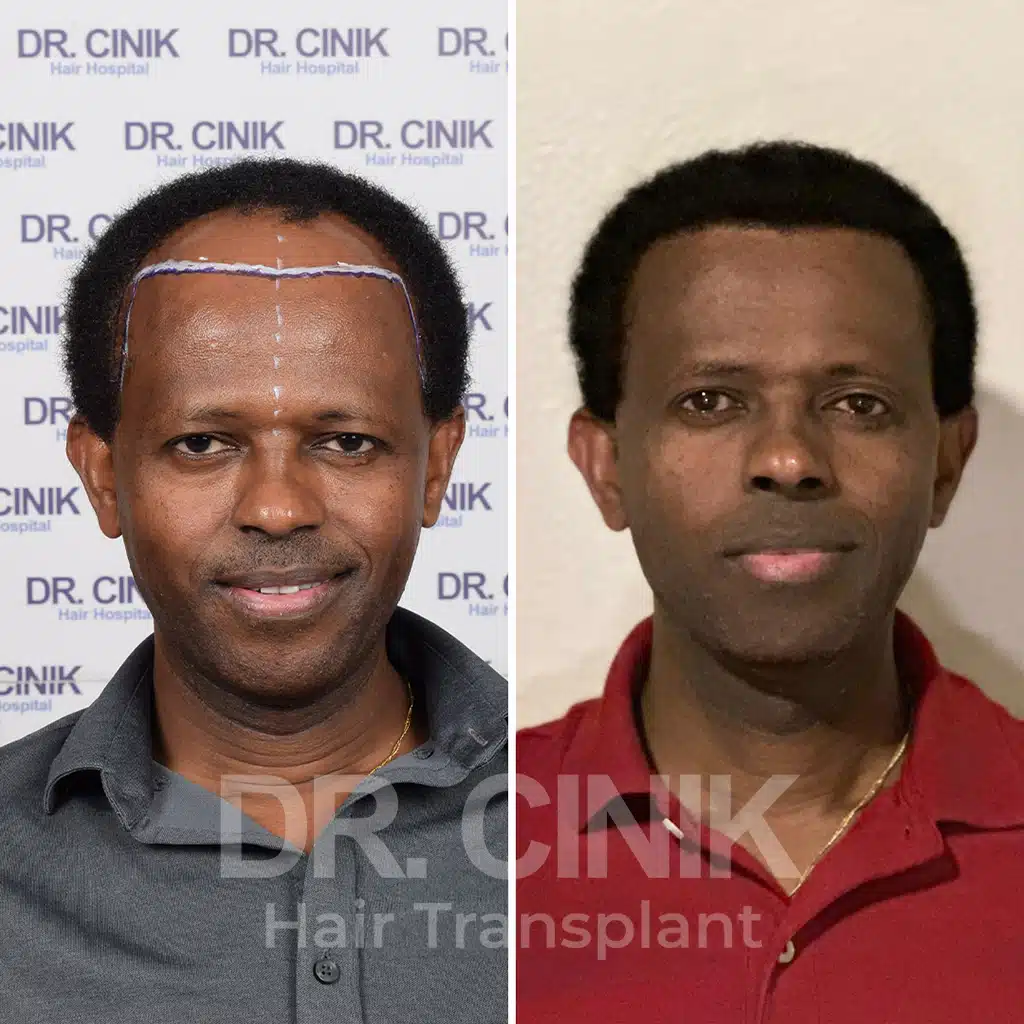
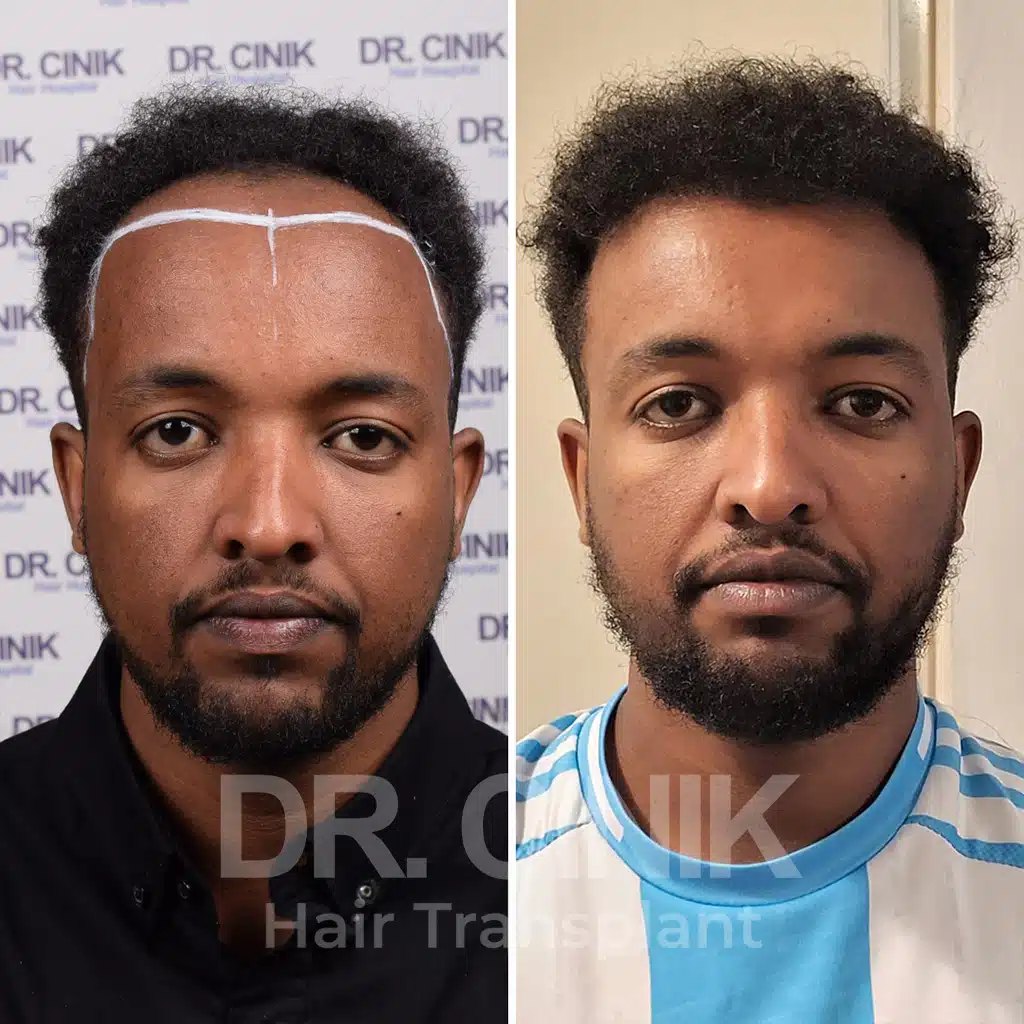
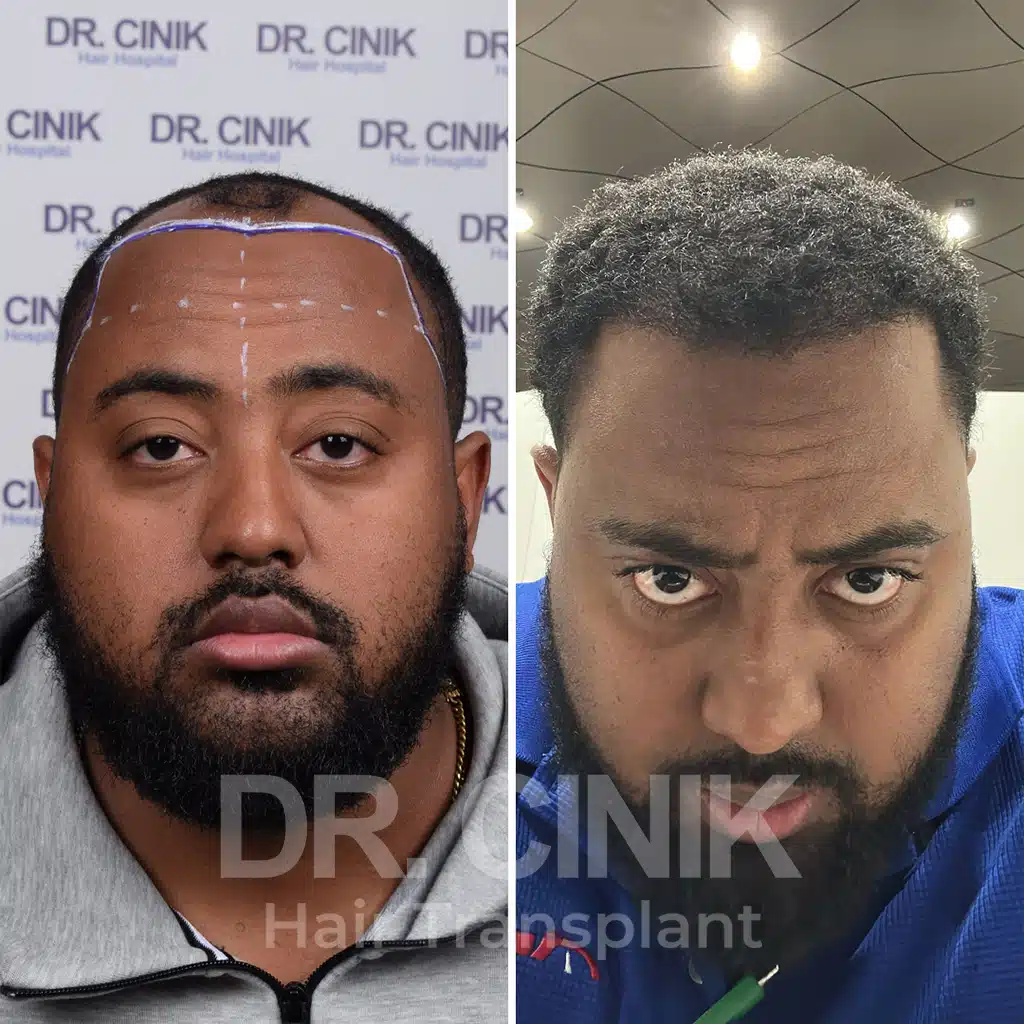
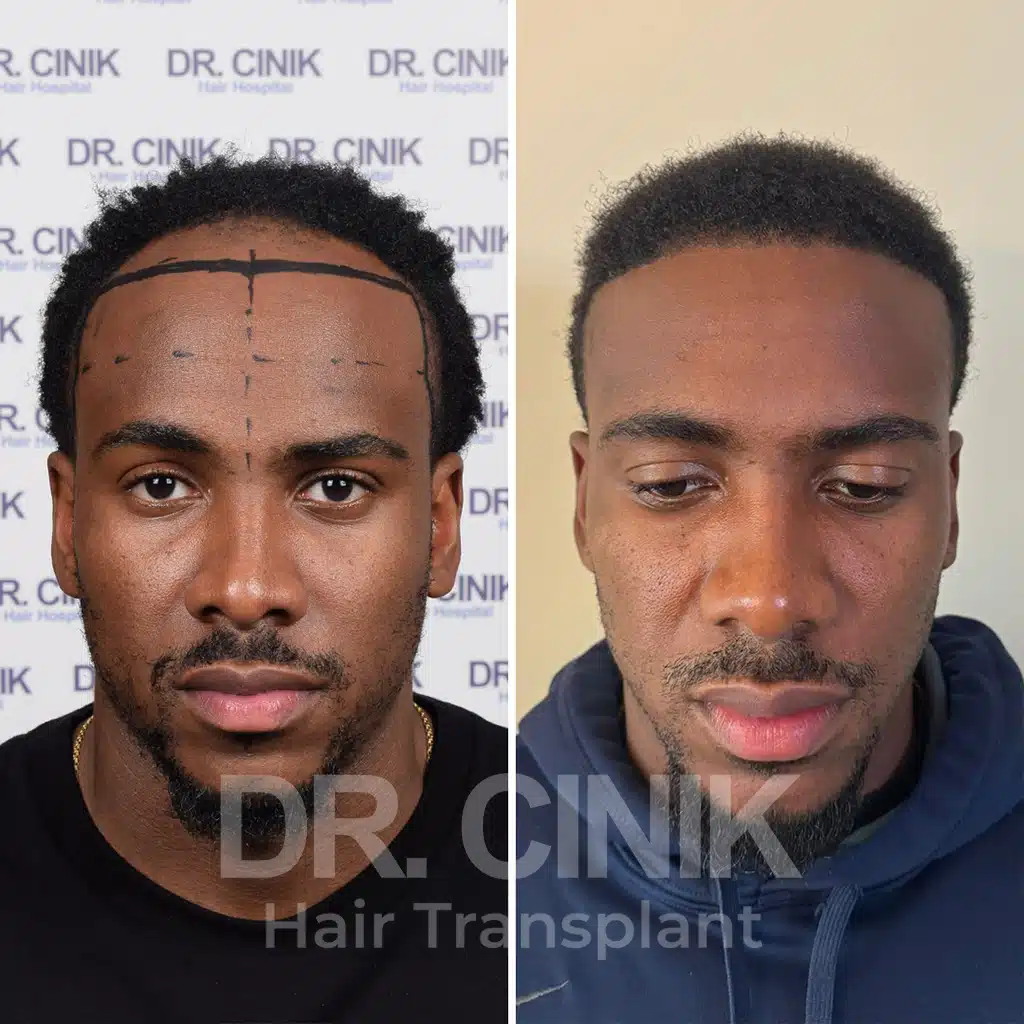
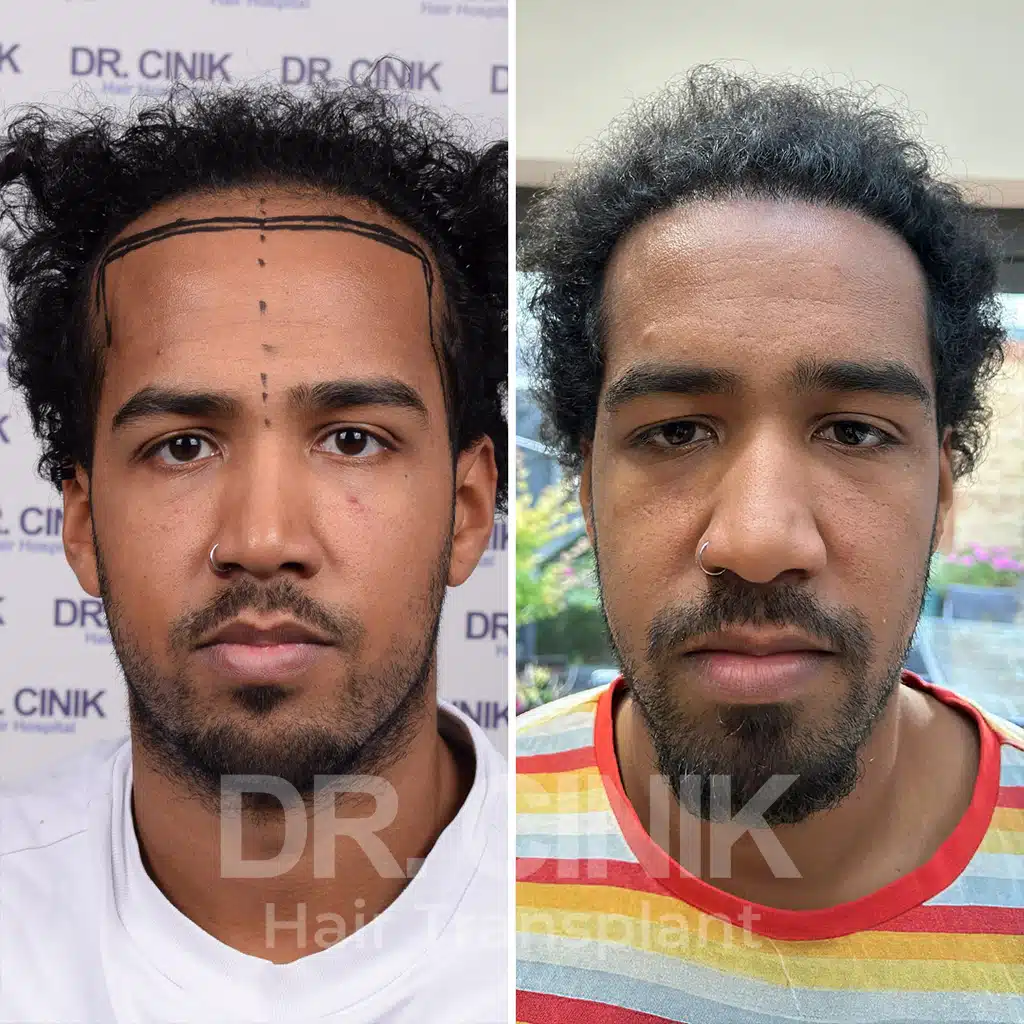
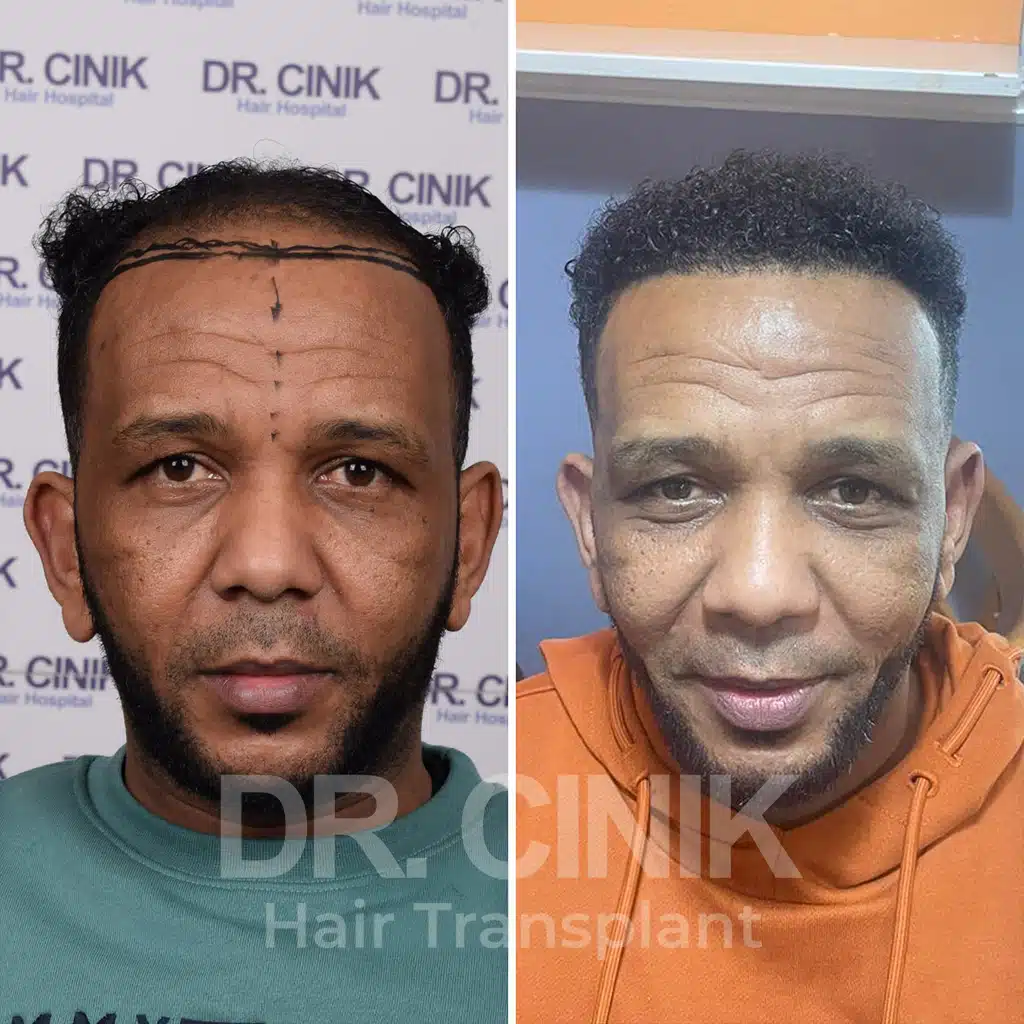
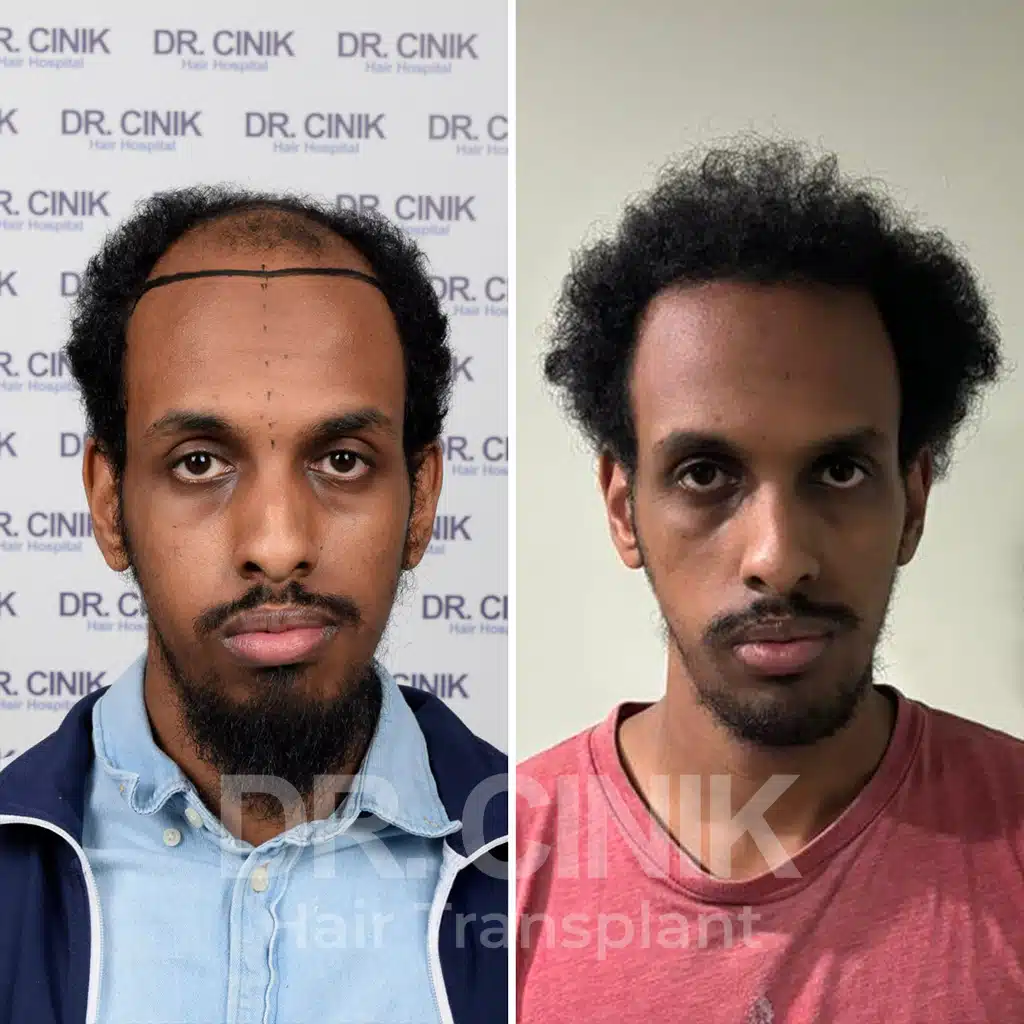


Learn all about the regrowth cycle after surgery.

Post-operative care is of vital importance for hair healing and regrowth. Discover our advice on what to do after a hair transplant.

Technical Aspects of Follicular Unit Extraction

Turkey the destination of choice for hair transplants

The top-of-the-range hair transplant experts in Turkey

A premium clinic dedicated to your hair.

Our patients’ spectacular post-operative transformations: before and after photos

The price of a hair transplant in Turkey varies according to the type of procedure, accompanying services and any additional services. Our clinic offers various hair transplant packages, the prices of which can be viewed below.

We attach great importance to the quality of your care and treatment. And we do this right from the first contact, by offering you a free consultation.
OUR LATEST ARTICLES
News and advice for healthy hair



Our team of experts analyses your situation and offers a bespoke solution.

